| Element | What the record shows | Planning use |
|---|---|---|
| Constitutional basis | Article II, Section 3, Clause 1: the president “shall from time to time give to the Congress Information of the State of the Union” | Treat it as a standing duty to report, not a fixed calendar date. |
| Name | Annual Message from 1790 to 1946; State of the Union Address since 1947 | Search older records under both names. |
| In-person delivery | Revived by Woodrow Wilson in 1913; 89 in-person addresses since then | Compare modern speeches with each other, and read earlier messages as documents. |
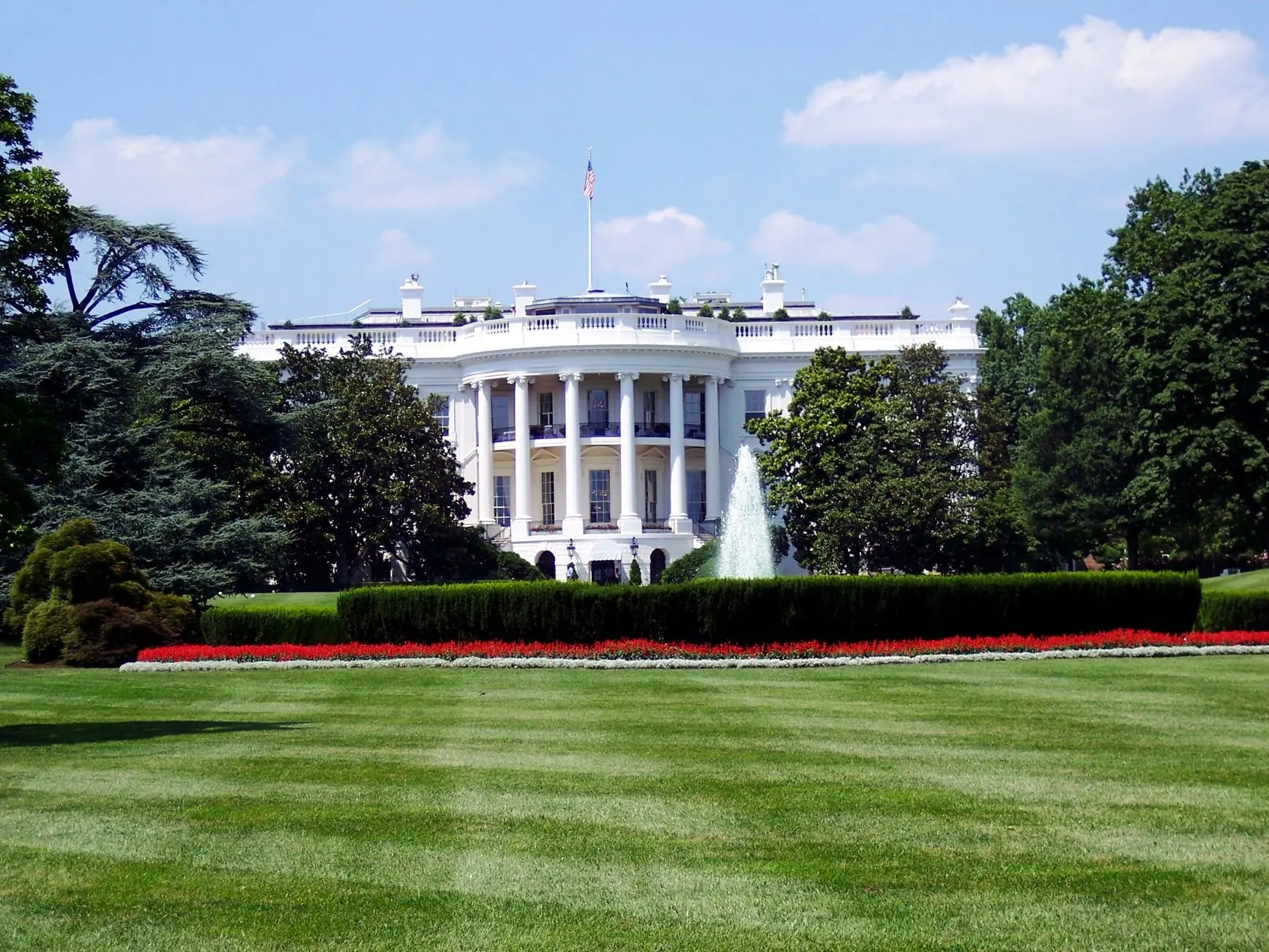
| Setting | Members of the House and Senate gather in the House chamber, and the Speaker introduces the president | Expect a joint session of Congress, not a White House event. |
| Designated survivor | One Cabinet member does not attend | Read the absence as a continuity safeguard, not a snub. |
| Response | The opposing party answers after the president | Treat the rebuttal as a separate speech with its own purpose. |
These details come from the House historical office’s State of the Union page and an archived White House history page on the address.
What is the State of the Union? It is the president’s report to Congress on the state of the nation, required by Article II of the Constitution and, since 1913, usually delivered in person to a joint session of Congress.
The speech sits within the wider run of us news today, but its rules and rituals change slowly. This guide covers the duty, the history, the evening in the chamber, the designated survivor and the opposition response.
What the address does in practice
The State of the Union now works mainly as the president’s public agenda for Congress. A WBAL-TV explainer says Woodrow Wilson changed the speech from a report on executive branch activity into a blueprint for the president’s legislative agenda. That change is why listeners treat the address as a list of requests as well as a progress report.
How you approach it depends on what you want from it:
- For the policy plan: concentrate on what the president asks Congress to do. Those requests carry the legislative agenda, while the review of past events is background.
- For the ritual: the sections below on the chamber, the designated survivor and the response explain the parts that surround the speech.
- For older records: look for the Annual Message, the official name from 1790 to 1946, because the State of the Union title became official only in 1947, according to the House historical office.
The constitutional duty behind the speech
Article II, Section 3, Clause 1 says the president “shall from time to time give to the Congress Information of the State of the Union,” as the House historical office quotes it. The clause names a duty to inform Congress. It sets no date and no format, so each president has been free to choose how to deliver it.
The same clause lets the president “recommend to their consideration such measures as he shall judge necessary and expedient,” a line WBAL-TV highlights. That wording explains why the speech carries policy proposals as well as a report. A president who treats the address mainly as a policy pitch is using a power the clause already grants.

From written message to televised address
Names and early delivery
The presidential message was called the Annual Message from 1790 to 1946. It began to be informally called the State of the Union between 1942 and 1946 and has officially carried that name since 1947, according to the House historical office.

According to WBAL-TV, the first one was delivered by George Washington on Jan. 8, 1790, in New York. On Dec. 8, 1801, Thomas Jefferson instead sent written copies to both houses of Congress, to be read by each chamber’s clerks. Jefferson wanted to simplify what he believed was an aristocratic imitation of the British monarch’s speech. Written delivery then continued for more than a century.

Wilson and the return to speaking
Woodrow Wilson revived the practice of presenting the message to Congress in person, on April 8, 1913. The House historical office counts 101 in-person Annual Messages and State of the Union Addresses in total, including the 2026 address, and 89 in-person addresses since 1913. Those counts show the in-person format is now the norm. It was a revival, not a continuous tradition from Washington.
The spoken format has never been mandatory. WBAL-TV notes that Truman sent his final message in print, as did Eisenhower in 1961 and Carter in 1981, and that Richard Nixon sent a printed message in 1973. In 1956 Eisenhower prepared a seven-minute filmed summary of the message while recovering. When reading about a particular year, check whether the president spoke or only submitted text.
Radio and television
The House historical office lists Calvin Coolidge’s 1923 message as the first radio broadcast of the address. Harry S. Truman’s address on January 6, 1947, was the first shown on television. From then on the speech reached the public as well as Congress, which helps explain why the staging and the response now matter so much.

The evening in the House chamber
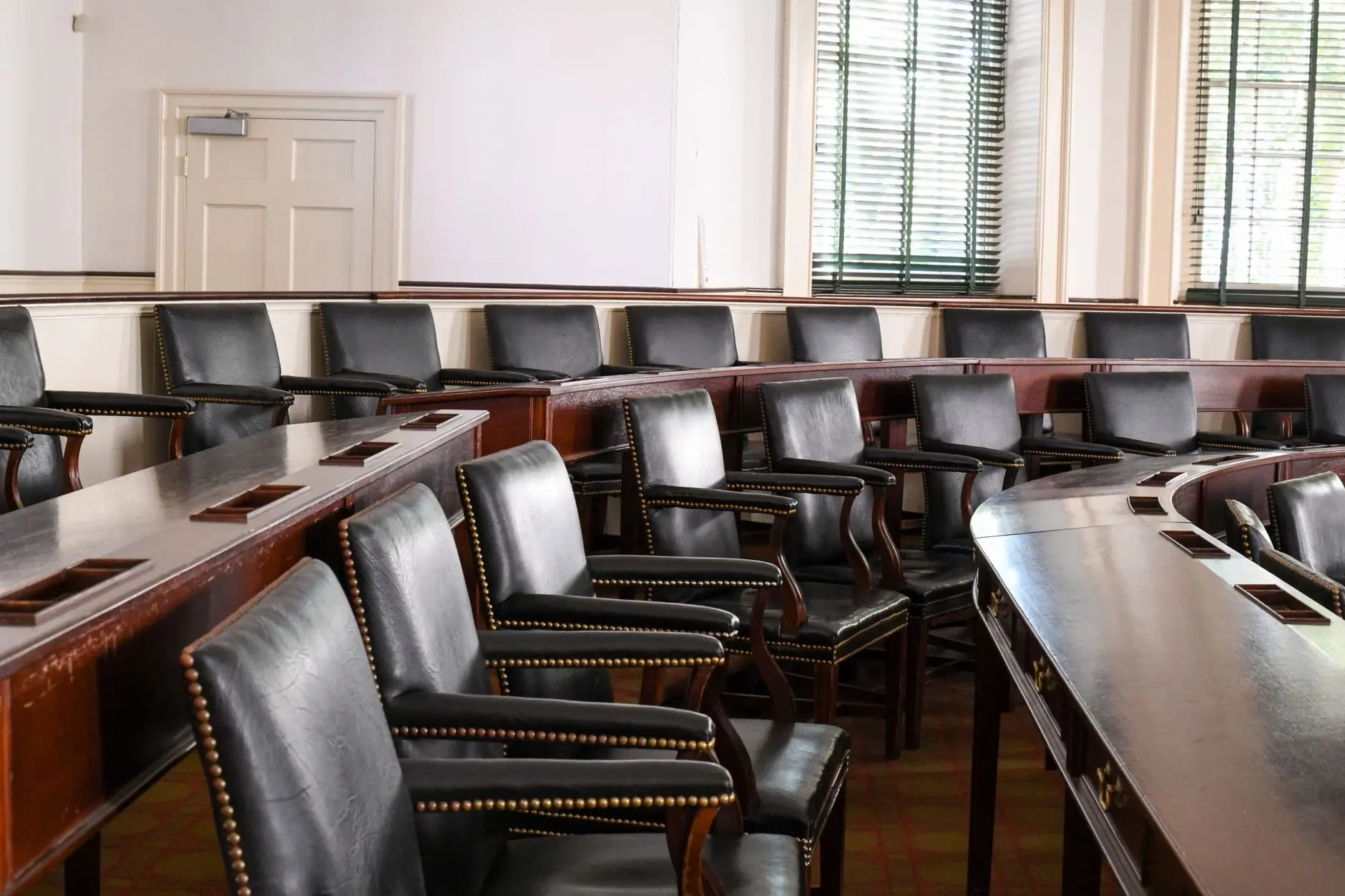
On State of the Union night, members of the House of Representatives and the Senate gather together in the House chamber. The archived White House history page says the Speaker of the House then introduces the president, who delivers the speech to Congress. That arrangement makes the event a joint session of Congress, hosted in the House.
The timing is also a broadcast decision. WBAL-TV reports that Lyndon Johnson moved the speech from midafternoon to 9 p.m. in 1965, a change made with television audiences in mind. A prime-time slot suits viewers at home, but it also makes the speech a performance for the public as much as a report to the lawmakers present.
The designated survivor
The designated survivor is the Cabinet member who, by custom, stays away from the address. The archived White House history page says one member of the president’s Cabinet does not attend. If a catastrophe struck the chamber, the Cabinet secretary who did not attend could then take over the duties of the president.
The practice answers a simple risk, because the president, the Vice President, the Speaker and members of Congress are all gathered in one room. Keeping one Cabinet member elsewhere preserves someone who could carry on. The custom is also one reason the Cabinet matters beyond its departments, and readers who want the full list can consult a guide to us cabinet members.
The opposition response
The response to the State of the Union is delivered by the opposing political party after the president finishes. The archived White House history page says this gives the opposing party a chance to express its views. The response is therefore a rebuttal, not part of the address, and it comes from the party out of power.
Treat it as a separate speech with its own audience. The president’s address sets out proposals, and the response is the opposition’s first public answer to them. Viewers comparing the two are comparing a governing agenda with an opposition message, not two reports on the same facts.
Frequently asked questions
Does a new president have to give an address in their first year?
Not always. WBAL-TV notes that presidents did not give an official State of the Union address in their first year in office, with examples running from Reagan in 1981 to Biden in 2021.
Which message was the shortest, and which the longest?
The 1790 message was the shortest, at 833 words, and the 1946 message was the longest, at more than 25,000 words, according to an archived White House history page.
Who sits behind the president during the address?
The Speaker and the Vice President sit on the dais, a raised platform directly behind where the president speaks, according to the archived White House history page.
Who first used the House chamber’s public address system?
President Harding was the first president to use the newly installed public address system in the House chamber, on December 8, 1922, as the House historical office records.