
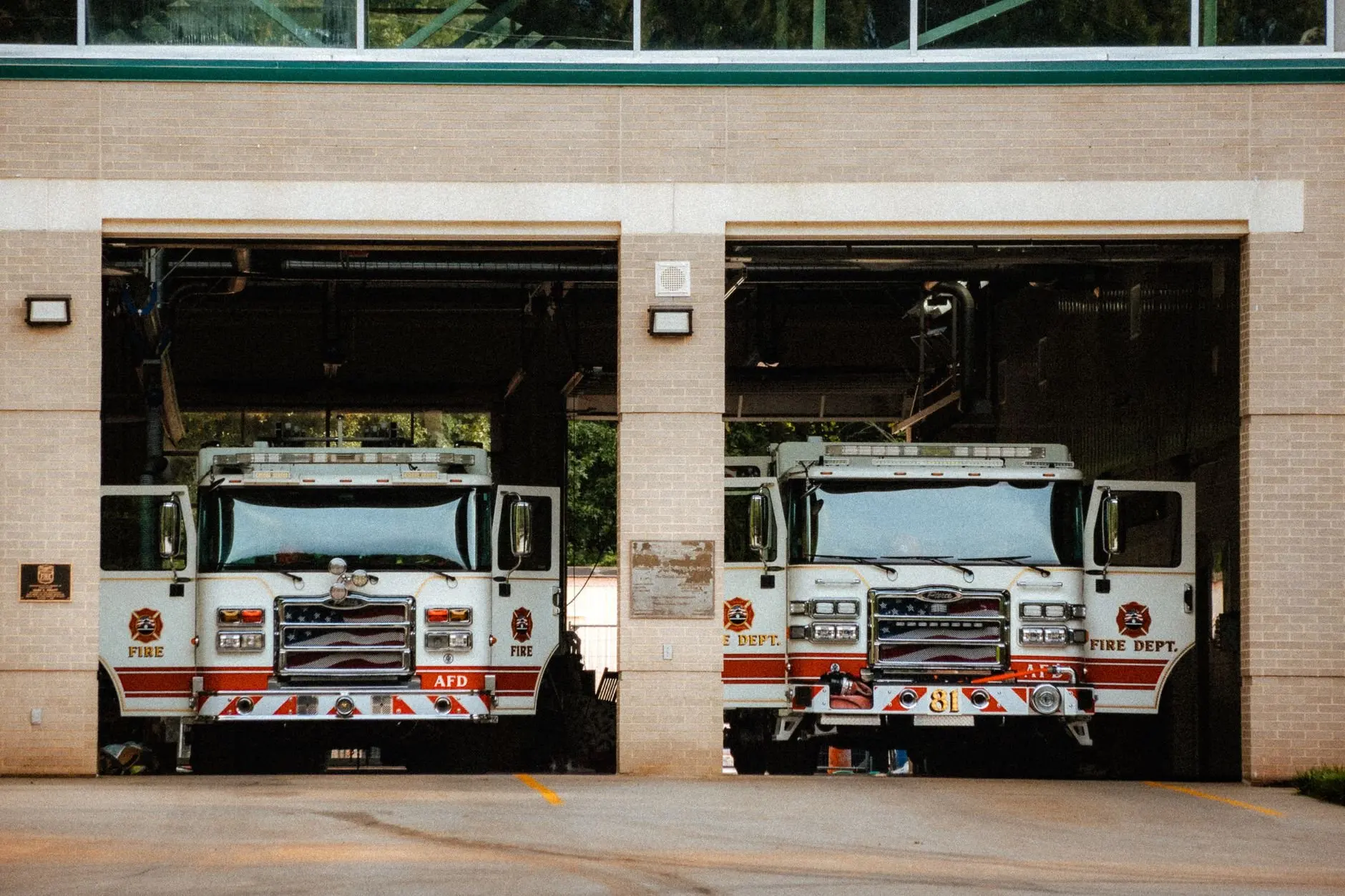
The Atlanta Fire Rescue Department, established in 1882, is the city’s fire and EMS agency and the only all-hazmat fire and rescue agency serving Atlanta. Its records can be checked against the news.
Anyone following atlanta news will see the department in stories about budgets, hiring, inspections and emergency calls. This explainer sets out how each of those topics works, so a headline can be tested against the original document.
How a 9-1-1 call becomes a fire rescue response
When someone calls 9-1-1, Atlanta firefighters and EMTs are first on scene, according to the Atlanta Fire Rescue Foundation. The same description says dispatch works by identifying the closest location or vehicle (apparatus) near the caller. That one design choice shapes almost every story about speed and coverage.
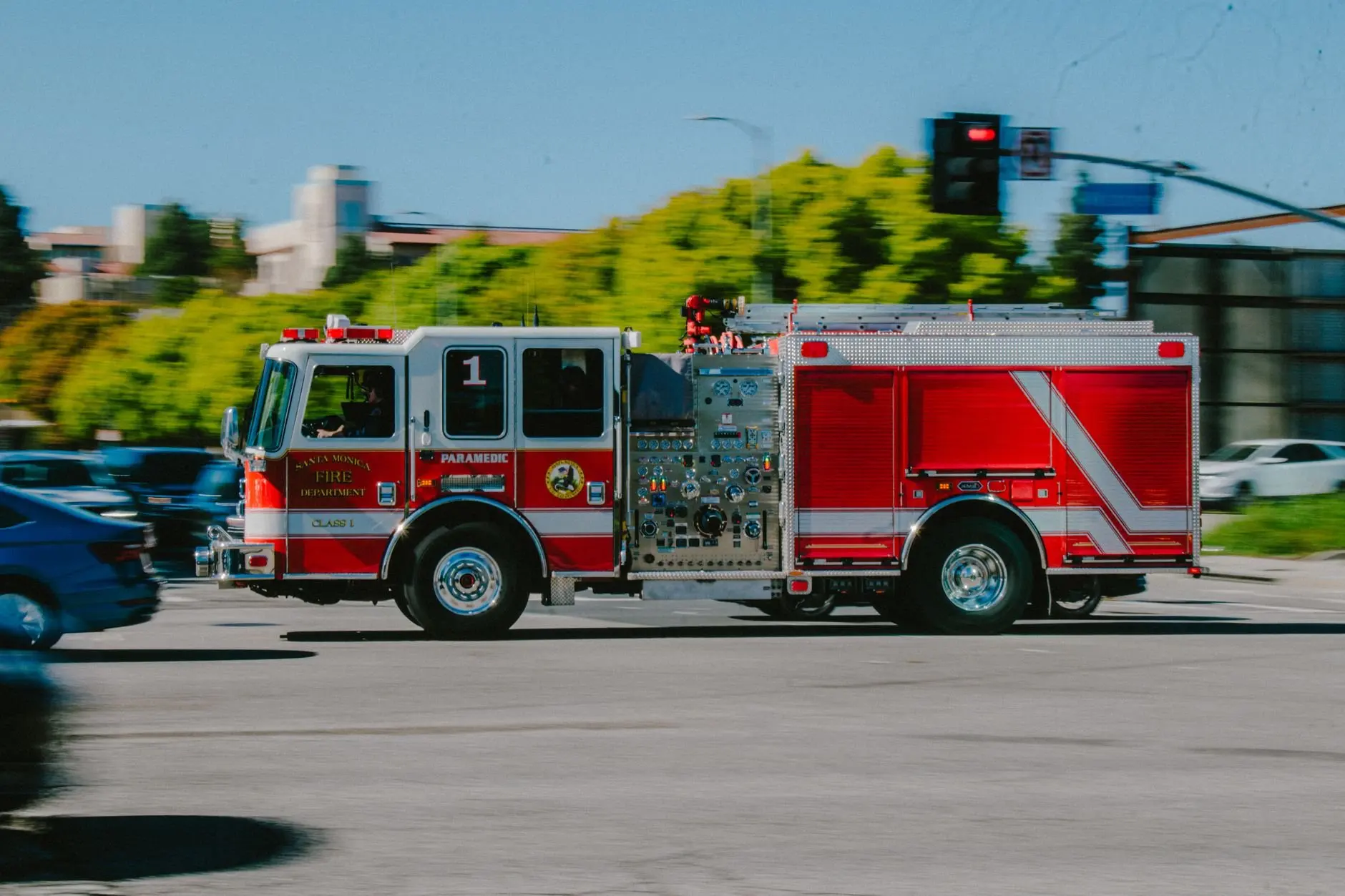
The sequence below is a reading aid. It shows where a delay in a news story could have arisen.
- The call is taken and located. Everything downstream depends on a correct address and incident type. A story about a slow response should say whether the delay came before any unit was assigned.
- The closest suitable unit is identified. Because dispatch looks for the nearest location or apparatus, a unit that is already out on another call changes which station answers. A single bad response is therefore not proof of a station-level problem.
- The unit travels to the scene. Distance, traffic and street conditions matter here. They are properties of the trip, not of the firefighters’ training.
- Firefighters and EMTs begin work. Because crews arrive first, the department’s role extends past fire suppression to the first medical contact.
The practical consequence is that a response record only means something if it states where the clock starts and stops. The next sections use that test.
What the department covers
The department describes itself as the only all-hazmat fire and rescue agency serving the City of Atlanta, so hazardous-materials incidents sit within its remit alongside fire and emergency medical response. Its founding year is given as 1882, which makes it one of the city’s longest-running public services. Both points come from the foundation’s description of the department.
Where the airport fits
The published description frames the department’s service area as the City of Atlanta and its residents and visitors. Hartsfield-Jackson Atlanta International Airport is a city-owned facility, and readers asking whether the airport is covered should rely on the city’s own service and budget documents. A news item that assigns airport duties to the department, or to a separate unit, should point to that kind of document. Without one, treat the claim as unconfirmed.
Station locations
Public directories list a fire station at 3501 Martin Luther King Jr Dr SW, Atlanta, GA 30331-4006, in a MapQuest listing for Atlanta Fire Rescue. A directory entry is useful for orientation. It is not an official station roster, and it should not be used to argue about which station serves which neighborhood.
Response times and the benchmark behind them
A response-time figure is only as useful as its definition. The department’s own description commits to sending the closest location or apparatus, but a commitment to dispatch the nearest unit is not the same as a published target. A published target states a time, a measurement method and a share of calls that must meet it.
When a story quotes a response time, run it through these checks:
- Which interval is measured. Time from the call being answered, from dispatch, or from the unit leaving the station can differ. Figures built on different starting points cannot be compared.
- Average or share of calls. A single average can hide slow outliers. A figure stated as the share of calls within a set time is harder to flatter.
- Which call types are included. Medical calls, fires and hazmat incidents can have different targets and different volumes.
- Which standard is the yardstick. If a story cites a national benchmark such as one from the National Fire Protection Association, find the standard’s own text and confirm that it defines the same measurement the story reports. A department can meet one definition and miss another.
- What period the data covers. A single month or a single incident is a snapshot, not a trend.
The city’s own performance reporting and council records are the primary documents for these answers. A figure taken from a social media post or a quoted source, without a link to the underlying report, should be treated as a lead to check rather than a result.
Budget and staffing records
The foundation’s description says the fire and EMS workforce must grow as the city’s population and density grow. That is a statement about direction, not a headcount, and the actual staffing numbers and budget lines belong in the city’s adopted budget documents. Anyone reading a news story about fire funding should open that budget and find the fire department’s own section.
What to look for in the budget
- Personnel costs versus operating costs. A story about overtime or vacancies usually concerns personnel lines, while a story about equipment concerns operating or capital lines.
- Adopted versus amended figures. The council can change a budget after adoption, so the date of the figure matters.
- Authorized versus filled positions. A department can be funded for more positions than it has staffed. Stories about shortages should say which of the two they mean.
- Capital projects. The foundation describes itself as a nonprofit 501(c)(3) that funds firefighter training and fire/EMS station capital projects. Private fundraising of that kind sits alongside the city’s own spending, and a story should not mix the two.
Council meeting records show when amendments, contracts and station projects are debated and voted on. Those votes, not press summaries, settle what was approved.
Hiring and recruitment
Recruitment requirements and the application process are set by the City of Atlanta, so the city’s official job posting is the authority on age, education, testing and timelines. Third-party pages and social media summaries can fall out of date. Applicants should confirm each requirement on the city’s own posting before relying on it.
The foundation links recruitment to a wider workforce goal. It says the fire and EMS workforce must grow with population and density, and it says its funding supports firefighter training. A hiring push in the news therefore usually has two parts: the city’s recruitment and the training capacity behind it. A story that reports a hiring target should say whether the target is funded in the budget.
Fire safety inspections
Inspection rules come from the city’s adopted fire code and local ordinances, not from news coverage. When a story says a building failed an inspection, the useful details are the building, the inspection date, the specific item cited and the code section behind it. A report that names none of these gives a reader nothing to verify.

Inspection stories also differ in what they actually show. A cited violation is not the same as an unresolved hazard, and a later re-inspection can close the issue. A reader should look for whether the story reports the follow-up outcome, and for the city’s own inspection record where one is public.
Using primary documents to check a news story
The most reliable habit is to move from the story to the document it relies on. For fire department coverage, the documents fall into a few groups, each answering a different question.
- City budget documents. They answer questions about funding, staffing and capital projects.
- Council meeting records. They answer questions about what was voted on, when, and with what amendments.
- The department’s own descriptions. They answer questions about mission, dispatch approach and scope of service.
- Published national standards. They answer what a benchmark actually measures.
- Named local reporting. It is useful when it names its sources, and weak when it relies on unattributed figures.
Public safety coverage often overlaps with other city institutions. A reader following fulton county jail news will meet the same habit of checking county and city records separately, because responsibility often sits with different bodies.
Frequently asked questions
Is Atlanta Fire Rescue only a fire department?
No. Firefighters and EMTs are first on scene when someone calls 9-1-1, and the department is also described as the only all-hazmat fire and rescue agency serving the city. Fire, medical and hazardous-materials response all fall within its role.
Where do I find the department’s actual staffing and budget numbers?
In the City of Atlanta’s adopted budget and in council meeting records. Descriptions from outside groups explain direction, such as the need for the workforce to grow with the city, but the budget documents hold the numbers.
Who sets the requirements to become an Atlanta firefighter?
The City of Atlanta sets them through its official recruitment postings. The foundation supports firefighter training financially, but the application requirements and process should be confirmed with the city.
Does a fast or slow response in one news story show how the department performs overall?
No. Dispatch sends the closest available location or apparatus, so a single call reflects that moment’s unit availability and travel conditions. Judging performance takes a stated measurement method and a published standard across many calls.