

Georgia Senate runoff rules start with a majority requirement. When no candidate wins the required majority of votes, the top two finishers meet again 4 weeks after the general election, and early voting begins a week before the runoff date.
This guide walks through the mechanics of a runoff, from the trigger to who can vote. For the wider contest, see the georgia senate campaign hub.
Why Georgia requires a majority
Georgia runoff election law rests on one threshold. Georgia.gov’s runoff voter guide says runoff elections are held when no candidate wins the required majority of votes. A candidate who leads the field but falls short of that majority does not win outright.
In a Senate race, Time’s explainer on the 2022 runoff framed the bar as 50%. Because no candidate cracked 50%, Georgia law required a runoff between the top two vote-getters. The practical lesson is that a plurality lead on election night is only a first-round result. The race can stay open for weeks afterwards.
Few states work this way. The US Vote Foundation’s Georgia runoff summary identifies Louisiana as the only other state that requires runoffs. Georgia voters therefore deal with a format that most American voters never encounter.
How a Georgia runoff works, step by step
Anyone asking how a Georgia runoff works can follow the sequence below. The order matters because each stage depends on the one before it.
- Count the general election. Results are tallied, and Time’s coverage drew its vote counts from Georgia Secretary of State data. If one candidate clears the majority, the race ends there.
- Identify the finalists. If no one clears it, the US Vote Foundation explains that the two candidates with the largest plurality of votes have to face each other again. Everyone else drops out of contention.
- Set the calendar. The runoff is held 4 weeks after the general election, according to Georgia.gov.
- Open early voting. Georgia.gov says early voting begins a week prior to the runoff date.
- Vote on runoff day. Registered voters choose between the two remaining candidates, and the contest is decided on that head-to-head ballot.
The second-round electorate is not a new body. The same registered voters can take part, but the choice has narrowed to two names, which changes how campaigns spend the weeks in between.

Runoff rules at a glance
The table collects the core rules in one place. Use it as a checklist when a runoff is announced.
| Rule | What the rule says | Planning use |
|---|---|---|
| Trigger | No candidate wins the required majority of votes | Treat a plurality lead on election night as provisional |
| Matchup | The two candidates with the largest plurality face each other again | Expect a two-name runoff ballot |
| Timing | 4 weeks after the general election | Mark the runoff date straight after the general election |
| Early voting | Begins a week before the runoff date | Early voting is available only in the final stretch of the runoff |
| Eligibility | Anyone registered to vote in Georgia, in federal, state and local runoffs | Confirm registration before the runoff period |
The timing, early voting and eligibility rules come from Georgia.gov, and the matchup rule comes from the US Vote Foundation.
The four-week window
The Senate runoff election follows a short, fixed gap. Georgia.gov describes a runoff held 4 weeks after the general election, and Time’s 2022 explainer likewise says Georgia law requires the runoff four weeks after Election Day. The two descriptions agree, so 4 weeks is the figure to plan around.

The 2022 Senate runoff shows the pattern in practice. The US Vote Foundation lists it as a runoff held on Tuesday, December 6, 2022. The runoff date follows from the general election date, so voters should confirm it as soon as the general election result is known instead of assuming it will match an earlier cycle. For where the runoff falls among the other milestones, the georgia senate race timeline lays out the sequence.
Early voting and absentee voting
Georgia runoff early voting dates are tied to the runoff itself. Georgia.gov states that early voting will begin a week prior to the runoff date. In a four-week runoff period, that leaves the first weeks for campaigning and the last stretch for casting ballots in person ahead of runoff day.
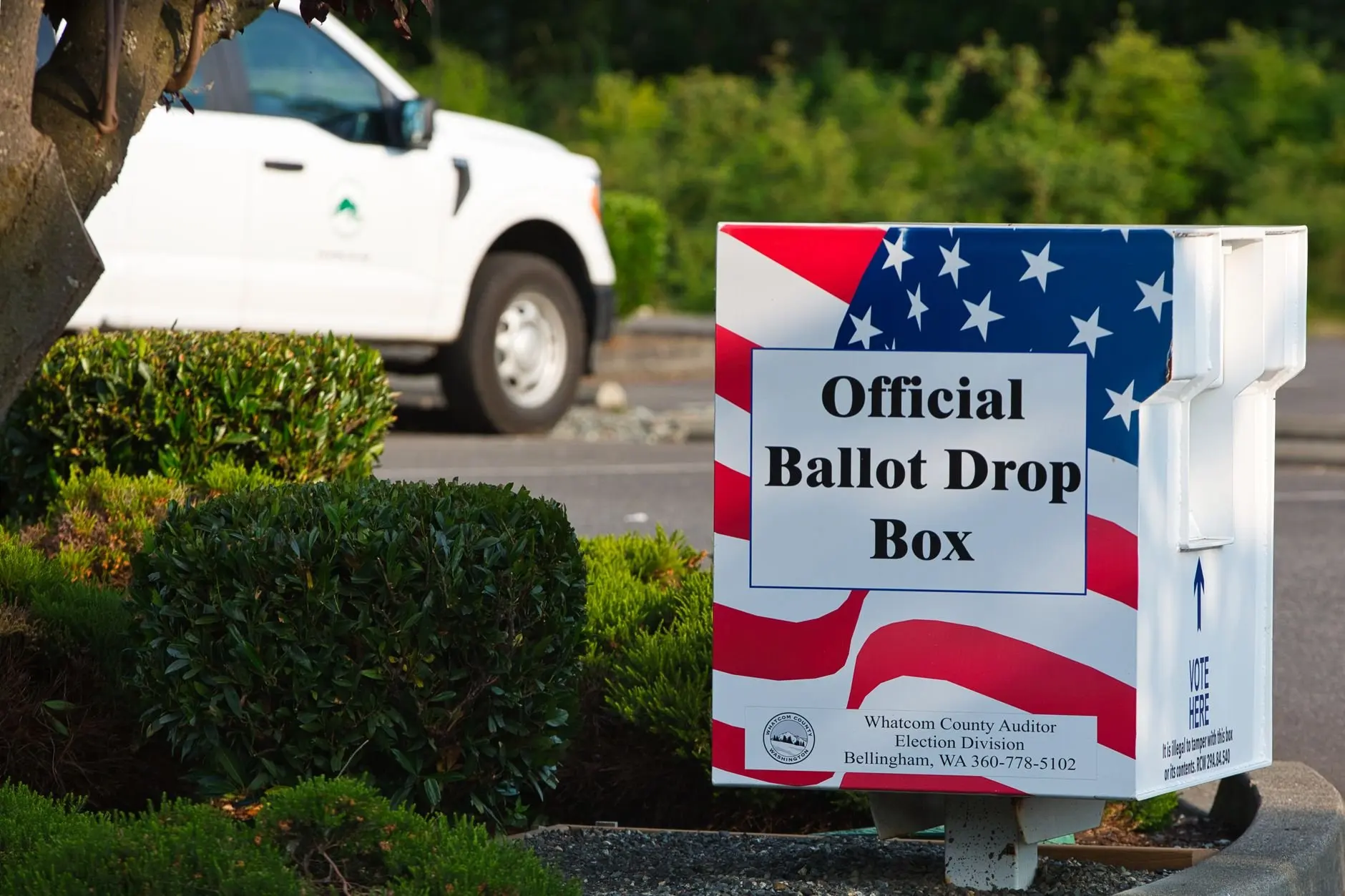
The guide gives the starting point. For the specific days, hours and sites in a given county, the county election office is the place to confirm. Voters who prefer to vote by mail should also check their county election office and the Georgia.gov runoff page for the request and return arrangements that apply to that runoff. The runoff calendar is short, so an early check beats a late scramble.

Who can vote in a runoff
Georgia.gov states that anyone who is registered to vote in Georgia can vote in federal, state and local runoff elections. A Senate runoff is a federal runoff, so every registered Georgia voter falls within the eligible group. The practical requirement is therefore registration, and a voter who is unsure of their status should confirm it before the runoff period begins.
The US Vote Foundation puts the registration landscape in context: some 7.7 million registered voters out of approximately 8 million eligible voters. The gap shows that not every eligible Georgian is registered, which is why registration status is worth checking early. The same summary notes that automatic voter registration came about in 2016 as the result of an administrative measure, which helps explain how so many residents are on the rolls.
How the rules developed
The runoff is not a new idea in Georgia. The US Vote Foundation describes the county unit system, used in Georgia from 1917 until 1962, as a predecessor to the current process. It also names State Representative Denmark Groover among proponents of the runoff approach, which shows the General Assembly’s role in shaping election procedure. The practical takeaway is that the runoff is a product of state election law, not of a one-off rule for a single race.
Georgia’s current runoff rules apply to federal, state and local contests alike, so a Senate runoff follows the same logic as a lower-profile one. For how a specific runoff concluded, see the georgia senate runoff results.
Frequently asked questions
What triggers a Georgia runoff?
A runoff happens when no candidate wins the required majority of votes. The top two finishers then face each other again.
When does early voting start for a runoff?
Early voting opens a week ahead of the runoff date, per Georgia.gov. Daily hours and locations come from the county election office.
Is a runoff only used for Senate races?
No. Georgia.gov says registered voters can vote in federal, state and local runoff elections, so the same process covers contests at every level.
Which other state requires runoffs?
The US Vote Foundation names Louisiana as the only other state that requires them.