
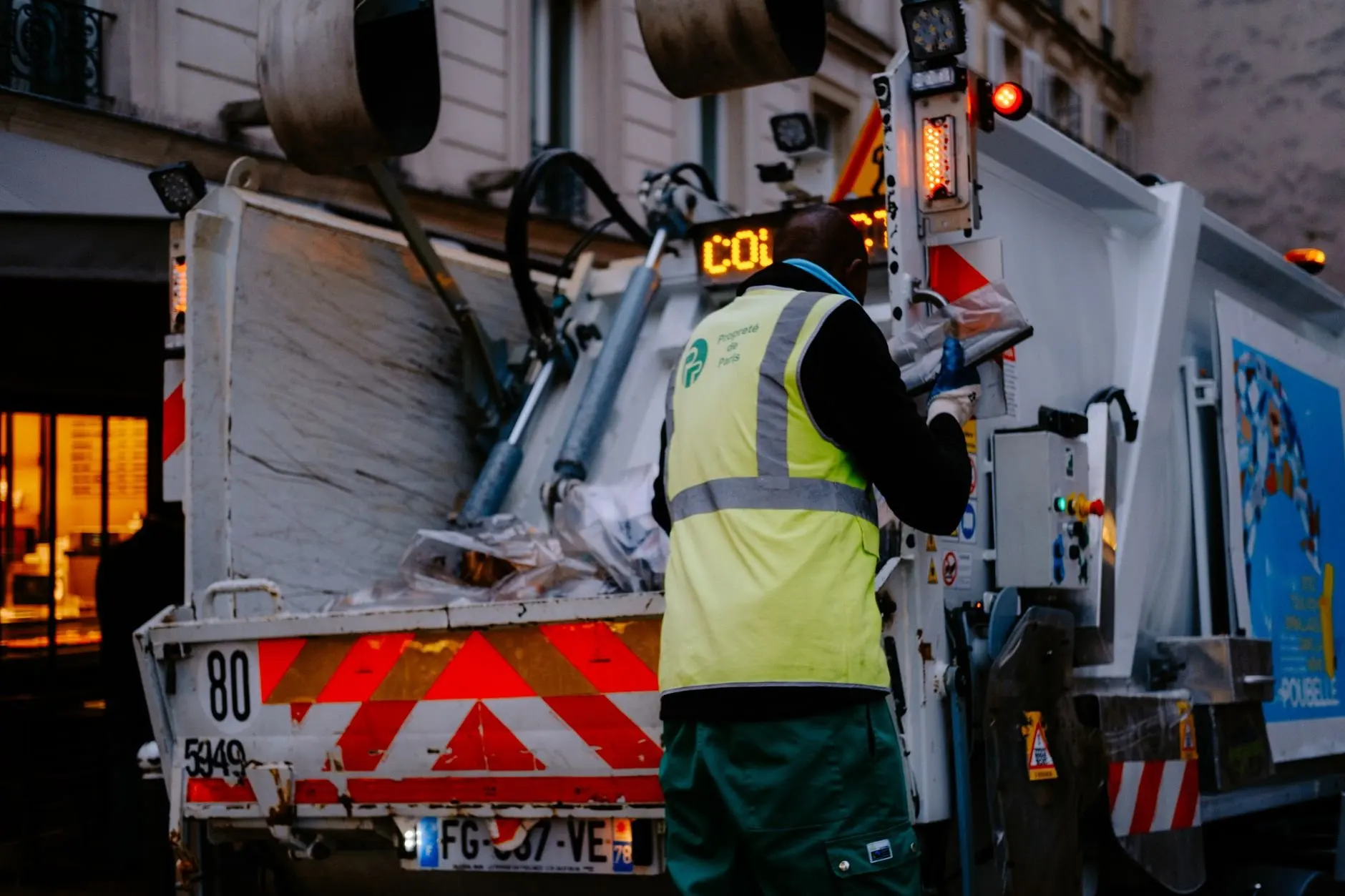
To find your Atlanta trash pickup schedule, confirm your service address, check it against the city’s official Department of Public Works tools, then set bins out on that day. If a collection is missed, report it through the city’s service channels.
Local service rules shift often, so the atlanta news hub tracks city-level changes that affect residents alongside this practical guide.
Before you start
The task is simple: identify your collection day, put materials out correctly, and escalate if the truck does not come. Gather a few details first so each step goes faster.
- Your exact service address. Collection routes follow addresses, so a neighbour’s day or an old bill from a previous home is not a reliable guide.
- Your property type. The city’s change to its collection schedule affected both households and commercial property owners, and the two groups may be served differently.
- A phone with a camera. A dated photo of an uncollected bin at the curb makes a later report more specific.
- Your most recent city bill or account details. These help when a question turns to fees rather than routes.
Finding your pickup day and setting out trash
Your pickup day is tied to the address, and the city redesigned its routes in the past, so the safest route is always the city’s own lookup rather than memory or word of mouth.
Step 1: Confirm your address and service type
Write down the full street address, including unit numbers for multi-unit buildings. Check whether your property is served by the city directly or by a private arrangement, since an apartment complex or commercial site may have its own hauler. A property that uses a private hauler will not follow the same day as the house next door that uses city service.
Step 2: Look up your collection day
Start from the Atlanta Department of Public Works pages on the city’s official website and use the address-based lookup or service tools they provide for your property type. Enter the address exactly as it appears on your bill. Note the day of the week and keep it somewhere visible, such as a phone calendar reminder the evening before.
Do not assume your day is unchanged from years ago. The Department of Public Works announced a redesign of its solid waste schedules and routes, and the Atlanta Journal-Constitution reported that the four-day collection schedule would become a five-day, Monday through Friday schedule. The change was said to affect approximately 100,000 households and 10,000 commercial property owners, which is why a lookup by address beats relying on habit.
Step 3: Set out trash correctly
Place your cart or bags at the curb on your collection day, with the lid closed and clear space around it so a truck can reach it. Keep bins away from parked cars, low branches and mailboxes. Putting materials out the evening before is usually safer than rushing in the morning, because route timing can vary from week to week. If the truck has not come by the end of your collection day, move to the reporting steps below rather than waiting for the next scheduled day.
Recycling and bulk items
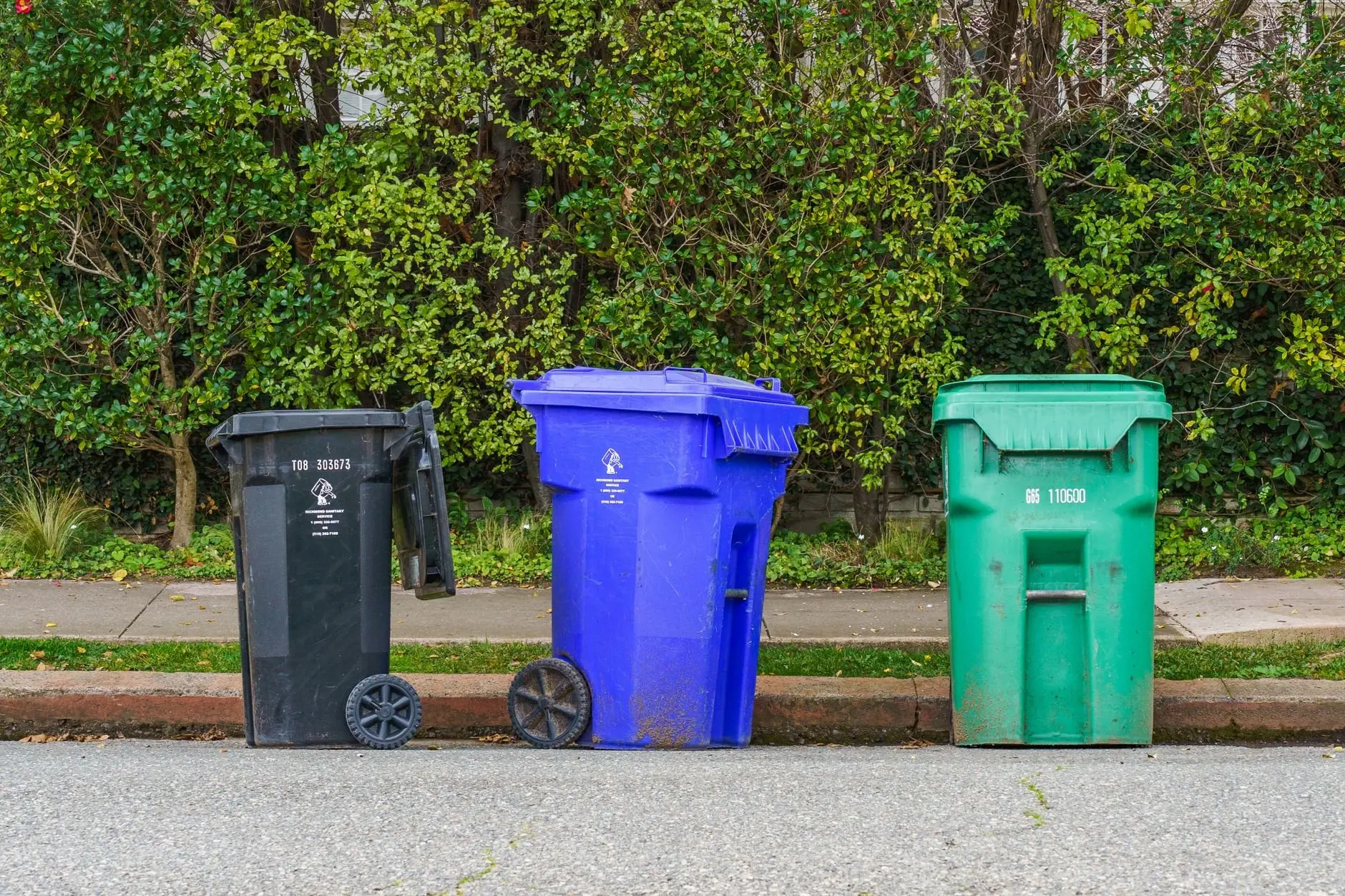
Recycling and oversized items follow different rules from ordinary household trash, so treat them as separate tasks rather than extra bags beside your cart.
Step 4: Sort your recycling
Check the city’s current guidance on what belongs in the recycling container before filling it, and keep food-soiled items out. Contamination is the usual reason loads are rejected, and a clean, correctly sorted container is the best way to make sure your effort counts. If you search for Atlanta recycling pickup information, use the Department of Public Works pages so that the accepted-materials list and collection day come from the city, not from another town’s program.

Collected recycling is taken to a sorting facility, where workers and conveyor lines separate materials. That is why loose bags, tangled items and non-recyclables cause trouble for the line.

Step 5: Handle bulk items separately
Old sofas, tables, chairs and similar items generally do not belong beside your regular cart. Look for the city’s bulk or special collection instructions on the Department of Public Works pages, and follow any scheduling or placement rules before putting furniture out. Leaving a pile at the curb without arranging collection can lead to a complaint rather than a pickup, so confirm the process first.

Reporting a missed pickup
A missed collection is worth reporting promptly, because the report creates a record and gives the city a chance to send a truck back. Prepare before you contact anyone, then escalate only if the first report does not resolve it.
Step 6: Document the miss
Take a photo of the uncollected container at the curb that shows the address or a recognisable landmark. Note the date, your scheduled day and whether neighbours were collected. This turns a vague complaint into a specific one and helps the city separate a missed stop from a container that was set out late or blocked.
Step 7: File the report
Use the city’s non-emergency service line or online service request portal, which is the channel residents usually search for as Atlanta missed pickup reporting. Give the full address, the material type (trash, recycling or bulk), your scheduled day and a short description of what happened. Keep any confirmation or reference number the system gives you.
Residents sometimes encounter hauler phone numbers when searching. For instance, the GFL Atlanta South Stockbridge page says that if you need assistance you can call 844-464-3587. That is a branch contact for a private hauler, so use it only if your service is actually provided by that company, and use the city’s channels for city-collected addresses.
Step 8: Escalate if nothing changes
If the container is still full after the city’s stated response window, file a follow-up that quotes your earlier reference number and adds a fresh photo. Repeated misses at the same address are better described as a pattern, so list each date. If the problem continues across a whole street, ask neighbours to file reports too, since several requests for one route make a route-level problem easier to see. Council members’ offices are a further option for stubborn cases, and their involvement is a reasonable last step rather than a first one.
Fees and the city budget
Solid waste service is funded through a mix of charges and city budget decisions, so a question about Atlanta solid waste fees is best checked in two places: your own bill and the solid waste section of the city’s published budget documents. The bill shows what applies to your account, while the budget shows how the city plans to pay for collection overall.
Route changes and costs are linked. The 2018 redesign was described as set to reduce travel distance per route by approximately 20 percent, which is the kind of efficiency measure that budget discussions weigh against service levels. If you think a charge on your account is wrong, raise it with the city as a billing question, separate from any missed collection report, so each issue gets its own record.
Keeping up with local service changes
Sanitation sits alongside other city rules that shape daily life, from late-night regulations such as the atlanta nightlife ordinance to larger public debates covered in cop city atlanta news. For your own address, though, the dependable habit is to recheck your pickup day whenever the city announces a route or schedule change.
Frequently asked questions
When did Atlanta announce its five-day collection schedule?
The Department of Public Works announced the new Solid Waste Services schedules and routes on June 29, 2018, with the roll-out beginning July 9.
What was the route redesign meant to achieve?
According to the Atlanta Journal-Constitution, the redesign was set to reduce travel distance per route by approximately 20 percent while moving from a four-day to a five-day, Monday through Friday schedule.
Is 844-464-3587 the number for reporting a missed city pickup?
That number appears on a GFL Atlanta South Stockbridge branch page as an assistance line for that company. Use it only if GFL is your hauler, and report city-collected addresses through the city’s own service channels.
How do I find my Atlanta trash pickup day?
Use the address-based tools on the Atlanta Department of Public Works pages, enter your exact service address, and note the weekday shown. Recheck after any announced schedule or route change.