
Residents can test Atlanta news about encampment fires, school security or rising rents against the budget, meeting and ridership records behind each story. Pick the route below that matches your question.
Picture a neighbor forwarding a post about repeated fires at an encampment, or a parent hearing that police will be more visible at school. The headline is the start of the story. The useful part sits in the documents: the line item that pays for a response, the agenda item where council or an agency discussed it, the count or ridership report that shows whether the problem is growing. This guide is a hub for the city’s main subjects, and each section names the record worth checking and the narrower guide to open next.
Choose your route through Atlanta news
Different readers need different starting points. The routes below are ordered by how directly the story touches daily life, and each one ends with the kind of record that settles questions the headline leaves open.
- You want to know what city hall is doing. Start with the section on following city government. It explains how to move from a news story to an agenda, a budget line and a neighborhood forum.
- You are following homelessness or encampment stories. Go to the homelessness section. It separates housing placement results, the annual count and the fire-safety reporting, which are often blended in headlines but measure different things.
- You are weighing rent, a move or a development. Read the housing and development section for what the available evidence says about rents and vacancy, and for what Census-type figures can and cannot tell you.
- You travel, commute or drive through the city. Use the sections on transit, the airport and roads, where ridership and infrastructure records matter most.
- You care about policing, schools or emergency services. Use the public safety section, which links onward to guides on fire rescue, the county jail and schools.
If you only have time for one habit, make it this: for any claim in a story, find out which body produced the figure, what date it covers and whether it measures a goal, a result or a one-night snapshot. The sections below show that habit applied to real reporting.
Following Atlanta city government
City government news is easiest to follow when you treat every story as a pointer to a document. A council vote has an agenda and attached legislation. A spending announcement has a line in the budget. A neighborhood dispute usually passed through a local advisory body before it reached the news.
From headline to agenda and budget
When a story says the city is “handling” something, look for three things: who is responsible, who pays and when the next decision happens. The responsible body might be the mayor’s office, a department such as the Atlanta Police Department, or a state agency working on city territory. The funding question usually leads to the adopted budget. The timing question leads to the council or committee calendar.
Tax and fee stories deserve the same treatment. A reader trying to understand a bill should go to the rate itself rather than the commentary around it, and the guide to the atlanta property tax rate explains how the pieces fit together. Election coverage works the same way: who is running for atlanta mayor is best answered from official candidate and results records, not from social posts that repeat names without sources.
Neighborhood level: planning units and local voices
Many land-use and quality-of-life stories begin at the neighborhood level. The city’s neighborhood planning units are the channel through which residents weigh in on zoning, licensing and development before cases move on. If you want to know whether a project near you has had a hearing, the atlanta npu guide explains how the system works and how to find your own unit. Attending or reading the minutes of your unit’s meeting is the quickest way to see a local story before it becomes a citywide one.
Everyday services residents notice first
Service stories are the ones people feel directly: missed collections, street repairs, sudden service interruptions. They are also the stories with the clearest paper trail, because service requests, contractor agreements and department budgets are public records. For collections specifically, the atlanta trash pickup schedule guide covers how pickup works and what to do when it fails. Even in the middle of a difficult operation, the city has been reported to keep basic services running: the National Alliance to End Homelessness notes in its Atlanta case study that the city government arranges weekly trash pick-up during an encampment engagement.
Homelessness and encampments: what the record shows
Homelessness is among the most reported and most misread subjects in the city. Three separate kinds of evidence circulate under one label: housing placement results, the annual count of people experiencing homelessness, and fire or safety incidents at encampments. Each answers a different question, and none substitutes for the others. The broader policy picture is covered in the atlanta homelessness guide.
Placements and programs
The National Alliance to End Homelessness published a case study of the Atlanta Continuum of Care, the partnership that coordinates the regional response. It describes a network of 170 nonprofit, government and other community organizations, led by Partners for HOME. The same case study reports that the Continuum has housed 1,850 households through its unsheltered response initiatives since 2022.
It also describes the LIFT 2.0 initiative, which began in August 2022 with a two-year goal of housing 1,500 people living in encampments. A goal is not a result, so treat that figure as the target the program set for itself. The Bridge Initiative’s 2024 results are a result: it engaged nearly 800 individuals in 36 encampments, producing 250 housing move-ins. The gap between people engaged and people housed is the number to watch, because it shows how many engagements still need a housing option at the end.
The annual count and what it measures
The Point-in-Time Count is a one-night snapshot. In the data the case study uses, 36% of the 2,867 people experiencing homelessness were unsheltered on count night, and the unsheltered number had climbed to over 1,000 people at a single point in time in January 2024. The same report says that 29% of people were experiencing chronic homelessness in 2024, up from 17% in 2020.
The case study also records a disparity: 83% of people experiencing unsheltered homelessness are Black, while Black residents make up 47% of the city’s population. A snapshot like this suits questions about the scale and makeup of the problem on one night. It does not tell you how many people moved through homelessness during a full year, so avoid reading a single count as a yearly total.
Encampment fires and who owns the land
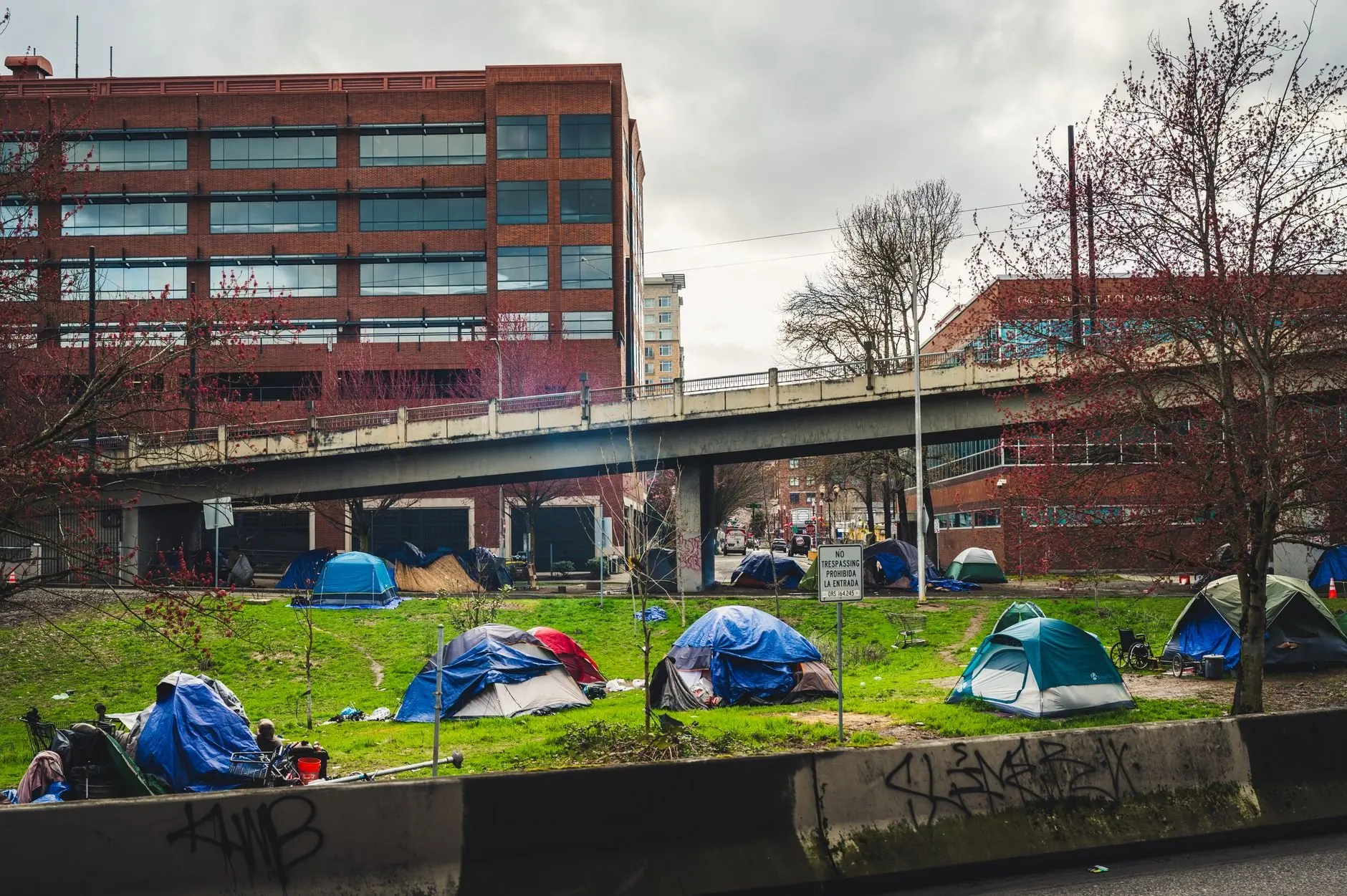
Reporting in August 2026 from WSB-TV described a string of fires at homeless encampments near the I-85 corridor in northeast Atlanta that stirred memories of the earlier I-85 bridge collapse. WSB-TV reports that a fire set by a homeless man led to that collapse. Residents showed the station at least nine incident reports of past fires, and the station adds that encampment fires also damaged Cheshire Bridge, closing that road for months.
The ownership detail matters for accountability. According to the same report, much of the property involved is owned by the Georgia Department of Transportation. That is why the response in the story involved both the Atlanta Police Department and the state agency: they conducted a site visit with five contractors to develop cleanup proposals, GDOT pursued an expedited procurement with a goal of starting work as early as the following week, and APD said it would maintain a presence at the site as the work moves forward. When you read a story like this, ask which agency owns the land before asking why the city has not acted, because the answer changes who holds the contract and the budget.
Comparing the three threads
The table lines up the three kinds of evidence so you can see what each one is good for.
| Thread | What the reporting gives | Planning use |
|---|---|---|
| Housing placements | 1,850 households housed since 2022; Bridge Initiative engaged nearly 800 people in 36 encampments for 250 move-ins in 2024; LIFT 2.0 set a goal of 1,500 people over two years from August 2022 | Use to judge whether programs deliver. Separate goals from move-ins, and compare engagements with placements. |
| Point-in-Time Count | 36% of 2,867 people unsheltered on count night; unsheltered count over 1,000 in January 2024; chronic homelessness 29% in 2024 versus 17% in 2020 | Use for scale and trend on a single night. Do not treat it as an annual total. |
| Encampment fires and site cleanup | At least nine incident reports from residents; Cheshire Bridge closed for months; much of the land owned by GDOT; APD and GDOT visit with five contractors | Use to find which agency controls the site, contract and timeline before judging a response. |
Figures here come from the National Alliance to End Homelessness Atlanta case study and from WSB-TV’s encampment fire reporting.
Housing and development trends
Housing stories in Atlanta come in two forms: market signals such as rents and vacancy, and development stories about what is being built and where. Both feed the homelessness numbers above, because the cost and availability of rental housing shape how quickly people can leave the street.
Rents, vacancy and housing pressure
The National Alliance to End Homelessness case study says average rents have increased steadily, particularly since the pandemic. It also says rental vacancy rates, which were slightly higher than the national average, have tightened. For a renter, a tighter market means fewer choices and less room to negotiate, so waiting for a better offer carries more risk than it once did. For a reader following policy, it means that programs placing people in housing compete for the same limited supply as everyone else.
The same case study reports that about 200 Emergency Housing Vouchers supported placements and that the end of that funding poses a challenge for the Continuum’s efforts. When a story mentions a temporary federal or local funding stream, check its end date.
Using Census figures without over-reading them
Population and housing questions are best answered with U.S. Census Bureau tables for the city, which list population, household and housing-unit figures with a stated survey year. Use them for structural questions such as who lives in the city and how many homes there are. The one population figure in the evidence here is the 47% Black share of the city’s population cited in the National Alliance to End Homelessness case study, which is useful mainly for comparison against the 83% share of unsheltered people. Match the year of any Census table to the year of the story before comparing, because a rent story from this year set against an older population table can mislead.
Development, trails and neighborhoods
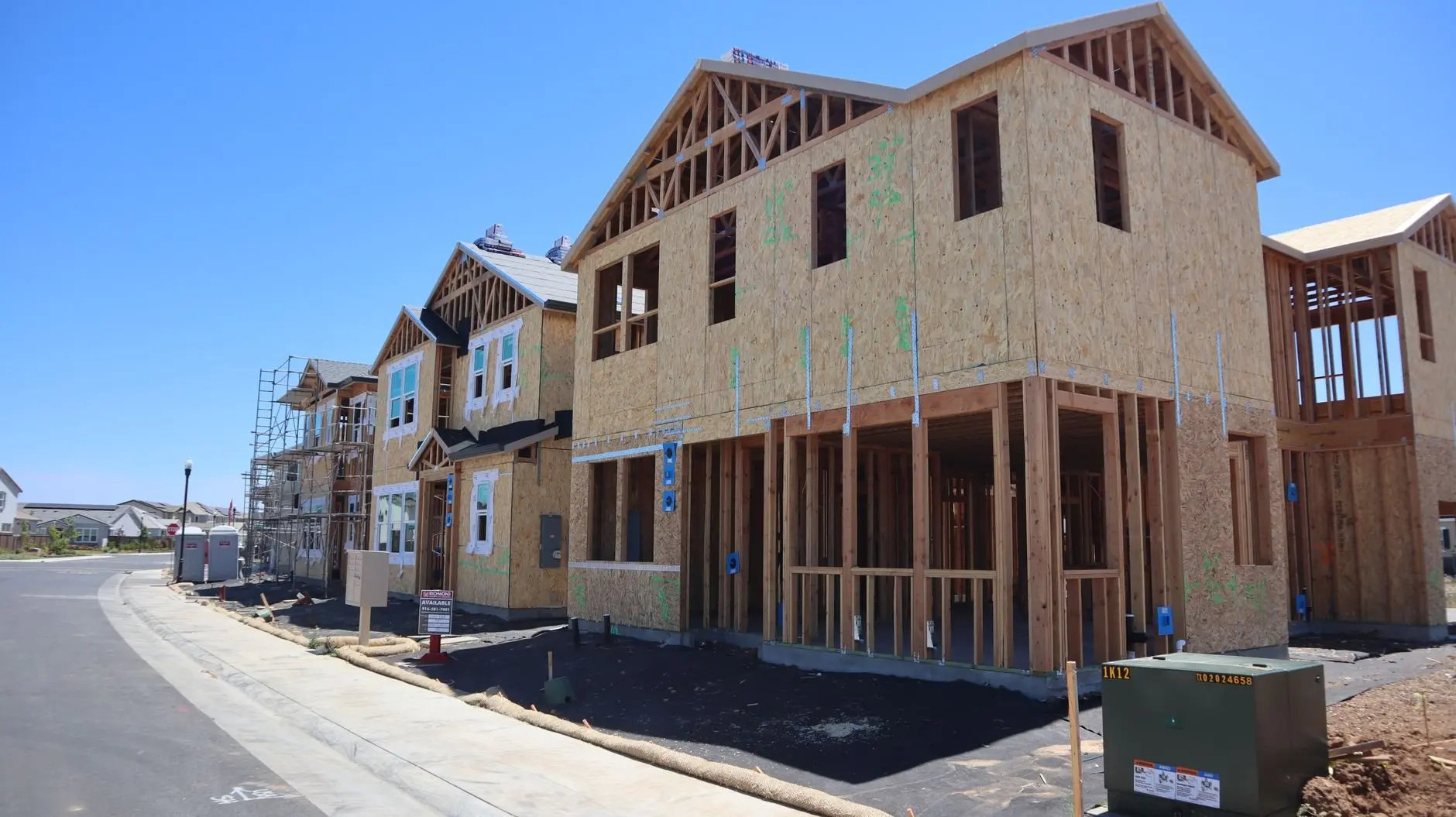
Development coverage often centers on trail corridors and the neighborhoods around them, where new housing, retail and public space are planned together. Judge those stories by asking who approved the project, whether it passed through the neighborhood planning unit, and whether affordable units were promised in writing. A promise in a press event is weaker than a condition attached to an approval.
Business-side development news, such as new employers and commercial openings, has its own guide: atlanta business news. The region’s production sector has a separate beat, covered at atlanta film industry news.
Transit, the airport and getting around
Transportation stories rest on records that are easy to check: ridership reports, service schedules, capital project updates and airport traffic data. MARTA publishes ridership and performance reports, and these are the right place to test a claim that service is booming or failing. Check the period covered, whether a figure counts boardings or trips, and whether a comparison uses the same months in different years.

How to read a transit story
A useful transit story names the measure, the period and the comparison point. When it does not, go to the agency’s own report and read the table, not the summary. Funding stories deserve the same care: confirm whether an amount is an authorization, an appropriation or money already spent, since the three are easy to confuse in a headline.
Micromobility is a smaller but frequently contested part of the picture. Rules on shared scooters affect where residents can ride and park, and the atlanta scooter rules guide explains the current framework.
Airport and travel infrastructure
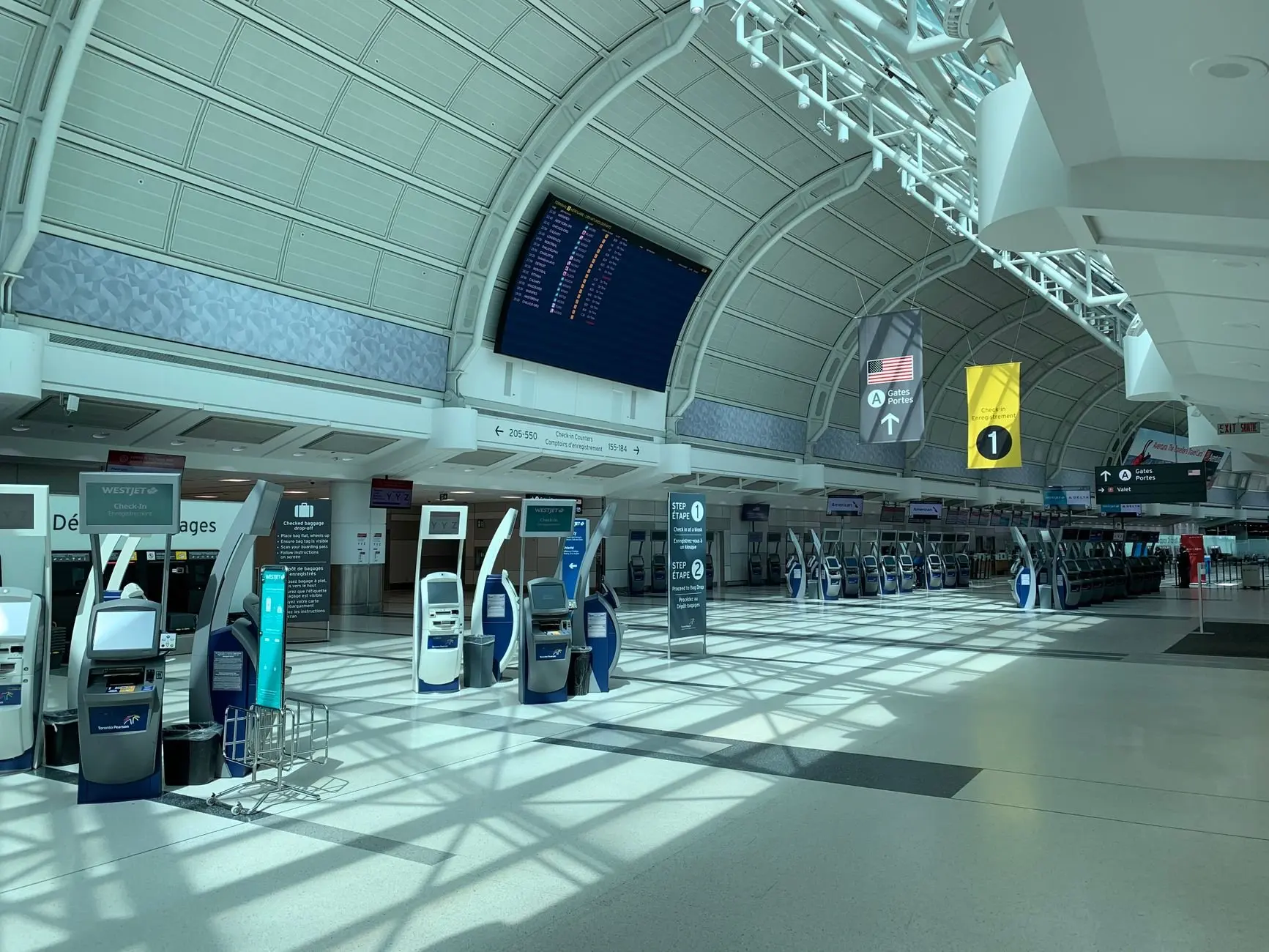
Hartsfield-Jackson Atlanta International Airport is the largest piece of travel infrastructure tied to the city. Stories about it usually involve passenger volumes, construction, security lines or concessions. Because the airport reports its own traffic statistics, the sensible check is the airport’s published figures for the same month as the story, not an estimate repeated in a travel post.
Roads, bridges and water
Infrastructure news is where a single failure can reshape daily routines. The earlier I-85 bridge collapse, which WSB-TV links to a fire set by a homeless man, left traffic snarled for weeks, and the closure of Cheshire Bridge for months after encampment fires shows how a local fire can become a transportation problem. Those episodes are a reminder that road closures often trace back to ownership and maintenance responsibility rather than to a single dramatic event.
For water and pipes, residents usually need the practical side first: who to call, what a boil notice means and when service returns. The atlanta water main break guide covers how disruptions are handled and where to look for official updates. When the news reports a repair, look for the department announcement and the work order, since both state the location and expected duration more reliably than a social post.

Public safety, policing and the justice system
Public safety coverage involves several bodies with different jurisdictions. The Atlanta Police Department answers to the city, the sheriff and the county jail belong to Fulton County, and the state has its own agencies. Keeping those layers straight prevents a lot of confusion about who is accountable for what.
Police deployment and oversight
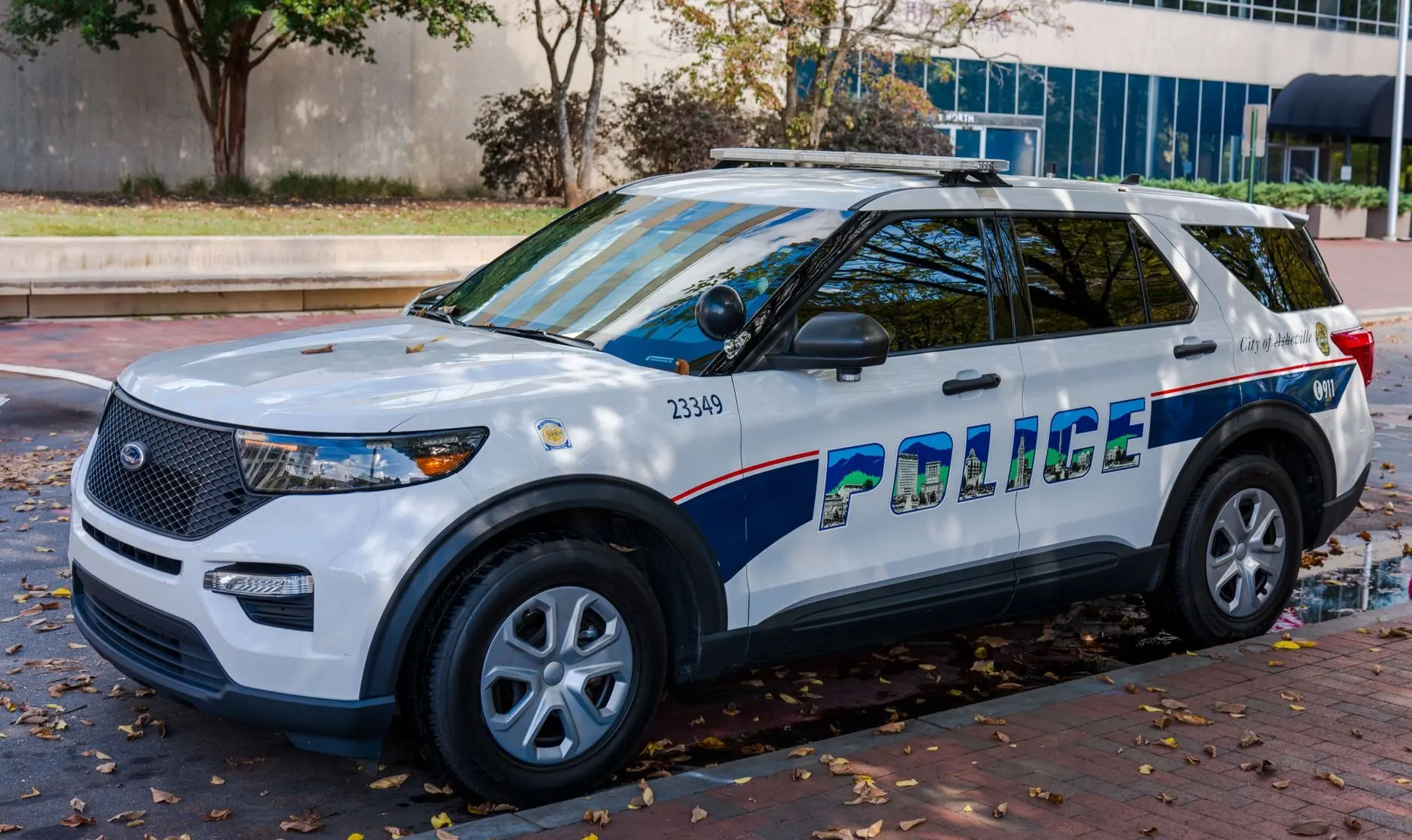
The Atlanta Police Department appears in the evidence in two operational roles. At the encampment site near I-85, APD joined GDOT in the contractor visit and said it would maintain a presence as work moves forward. In schools, it joined a wider effort described below. Presence is a deployment decision, and its cost and duration are budget matters, so a story saying police will be stationed somewhere is worth following to the department’s budget and the relevant council discussion.
Oversight is a separate question from deployment. How complaints about officers are reviewed is the subject of the atlanta citizen review board guide. The long-running dispute over the public safety training facility is covered in cop city atlanta news, which is the place to follow the legal and political fallout in one thread.
Fire, emergency response and the county jail
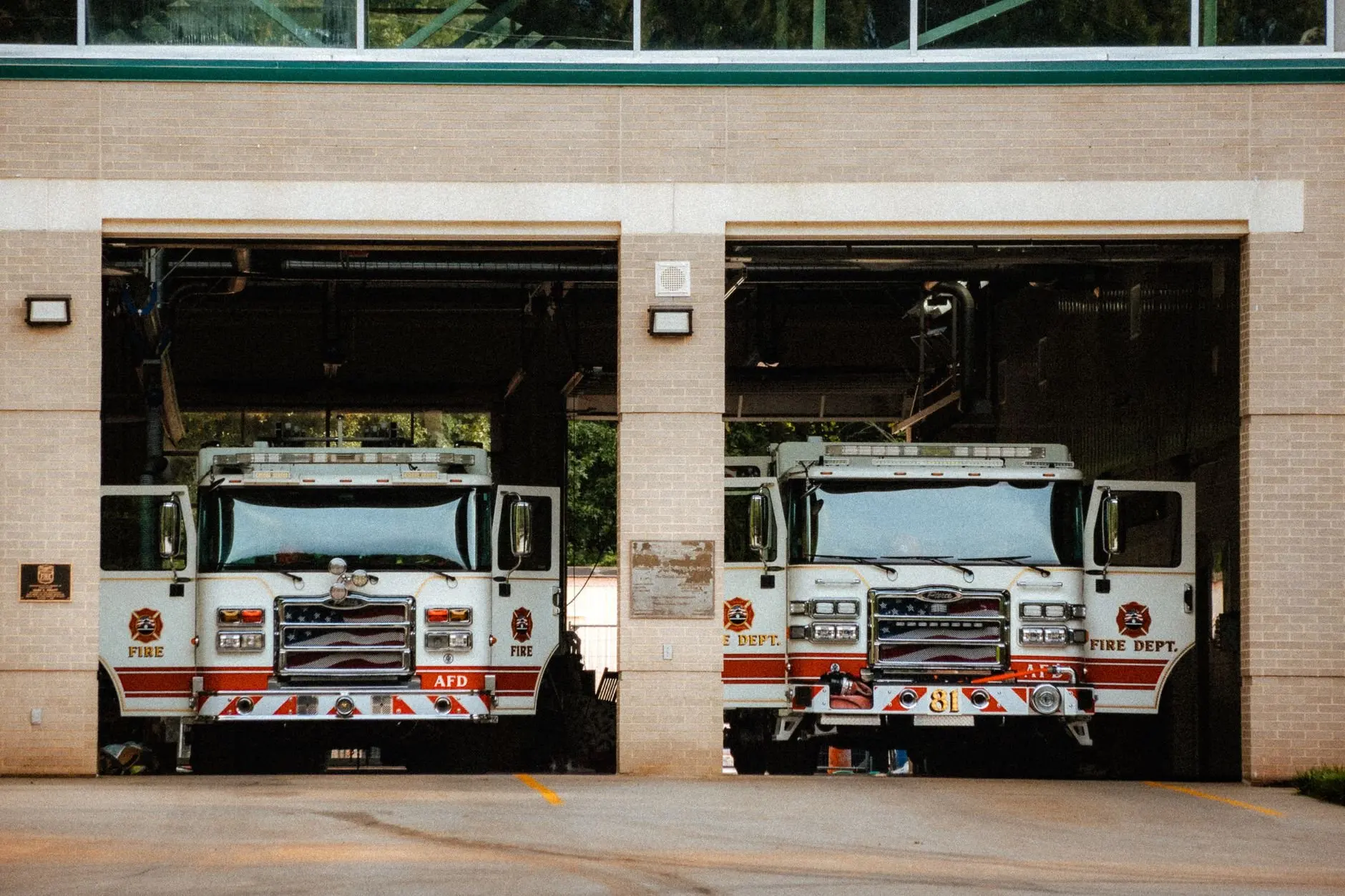
Fire and emergency stories, from encampment fires to building incidents, are handled by the city’s fire department, and the atlanta fire rescue department guide explains how coverage works. Stories about detention belong to a different jurisdiction. The county facility is the focus of fulton county jail news, and readers should remember that a county facility’s problems are not a city police matter even when both appear in the same headline.
Nightlife and late-night rules
Rules on late-night venues sit where policing, licensing and neighborhood complaints meet. If a story involves a venue’s hours or a noise dispute, the licensing record and the ordinance text decide the outcome, not the incident itself. The atlanta nightlife ordinance guide covers the framework residents and owners work within.
Schools and school safety
School stories reach the widest audience because they involve children, and they often combine district decisions with police action. Reporting syndicated on Yahoo described Atlanta Public Schools increasing police presence at all schools after concerning social media threats. The same report says Atlanta police and the Fulton County sheriff’s office would join the district in strengthening security, and that the district was working alongside the FBI, the Georgia Bureau of Investigation and the Atlanta Police Department.
The reporting on added police at Atlanta schools also notes that more than two dozen students and adults across the state have been arrested for making threats against schools. That is a statewide figure, not an Atlanta one, so avoid reading it as a count of local incidents.
Beyond security, district news covers budgets, boundaries and board decisions. The atlanta public schools news guide collects those subjects and explains where to find board agendas and district reports.
A routine for reading any Atlanta story
The sections above point to one repeatable routine. It works on a council story, a transit story or an encampment story alike.
- Identify the body. Decide whether the city, Fulton County, the school district or a state agency is responsible. The encampment fire coverage shows why this matters: much of the land is owned by the state transportation department, not the city.
- Classify the number. Decide whether a figure is a goal, a result or a snapshot. A program goal of housing 1,500 people is not the same as 250 move-ins, and a count-night percentage is not an annual total.
- Find the date. Rents, vacancy, ridership and counts change. A figure without a period cannot be compared with another.
- Locate the record. Go to the agenda, budget document, ridership report or Census table that the story rests on, and read the table itself.
- Check the funding end date. Temporary money, like the emergency vouchers described in the housing section, can end and change outcomes.
Used consistently, this routine turns a feed of headlines into a map of who decides what and when. It also makes it easier to spot when a story is being used as an argument rather than as information.
Frequently asked questions
| Question | Answer |
|---|---|
| What local issues is Atlanta’s city government handling now? | Recent reporting centers on homelessness and encampment response, fire damage near the I-85 corridor, and added police presence at schools. Housing placements run through the Atlanta Continuum of Care, and the encampment cleanup involves both the Atlanta Police Department and the state transportation department. |
| What do Atlanta housing and development trends look like? | Average rents have increased steadily, particularly since the pandemic, and rental vacancy has tightened after running slightly above the national average. Funding that supported placements, including about 200 Emergency Housing Vouchers, is ending, which the National Alliance to End Homelessness calls a challenge. |
| Which agency owns the land where the encampment fires occurred? | WSB-TV reports that much of the property involved is owned by the Georgia Department of Transportation. That is why the Atlanta Police Department and the state agency are working together on cleanup proposals. |
| Is the figure of more than two dozen arrests for school threats an Atlanta total? | No. The report describes it as students and adults across the state arrested for making threats against schools, so it covers Georgia, not only Atlanta. |
| Where should I start if I only follow one topic? | Choose the route that matches your question: city government for budgets and meetings, homelessness for placements and counts, housing for rents, transit for ridership, and public safety for policing and schools. |