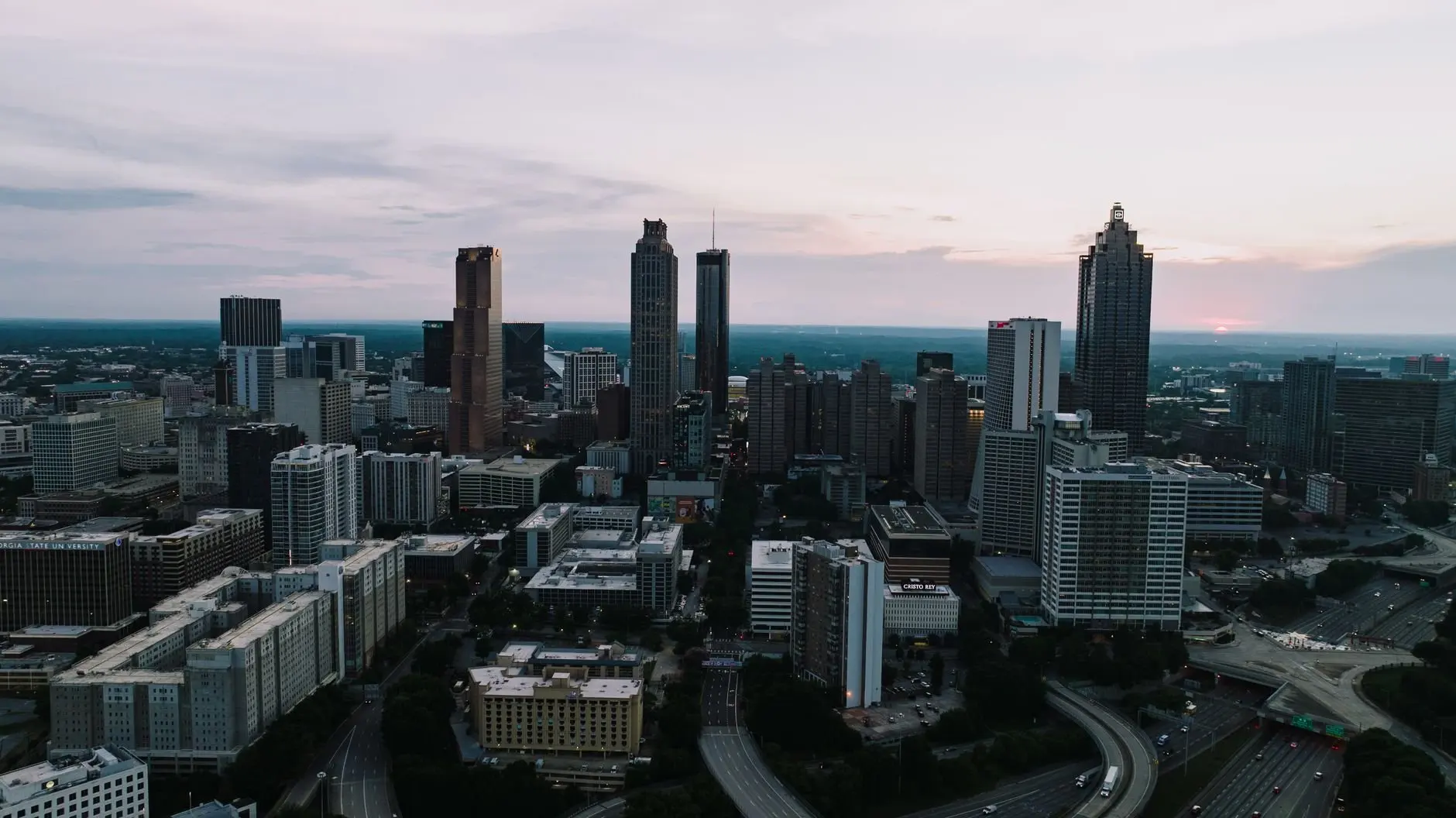
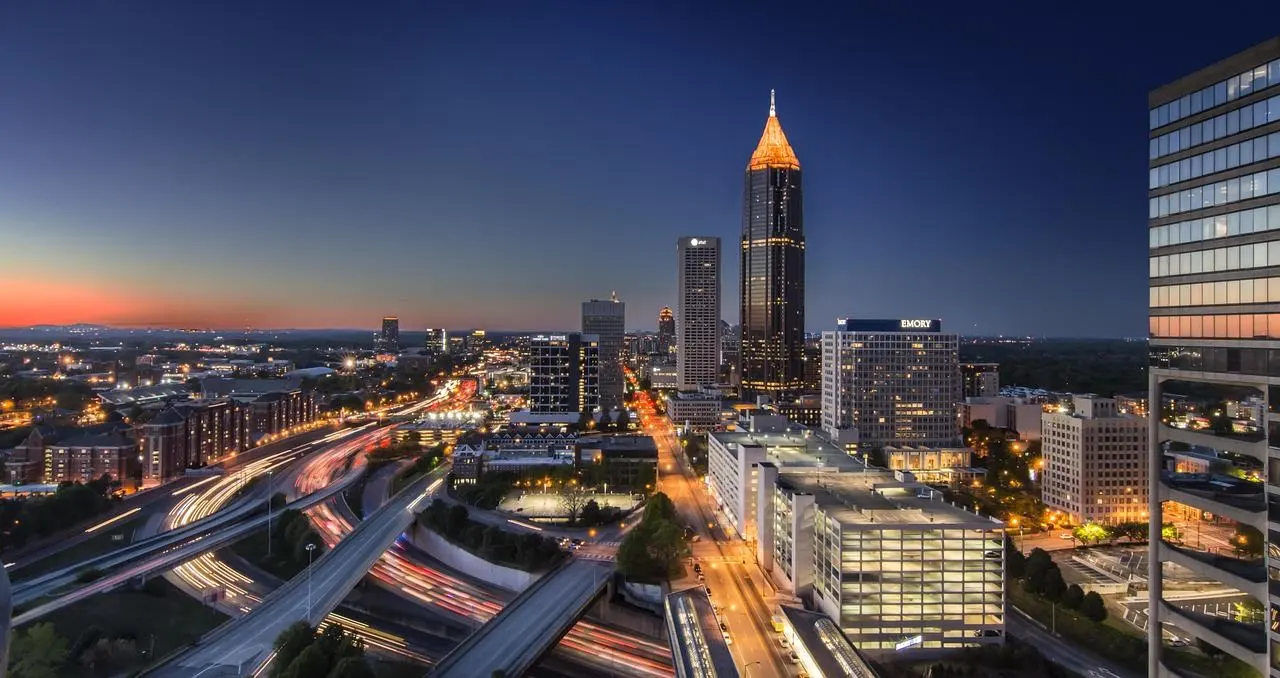
Atlanta neighborhoods can feel like a maze of names and borders. The easiest way in is the city’s 25 Neighborhood Planning Units, which group neighborhoods into larger areas you can learn one at a time.
This page is part of the atlanta guide, which looks at the city more broadly.
| Item | Value |
|---|---|
| Neighborhood Planning Units (NPUs) in the city | 25 |
| Year the NPU system was established | 1974 |
| Mayor who established it | Maynard Jackson |
| Minimum age to be an NPU-B member | 18 years or older |
| Planning horizons of the Comprehensive Development Plan | 5, 10 and 15 years |
These figures come from the about pages of NPU-J and NPU-B. They can change, so check the source before you rely on them.
What is a Neighborhood Planning Unit?
A Neighborhood Planning Unit (NPU) is a volunteer-managed organization that gives input to City of Atlanta officials on land use, planning, liquor licenses, and special events and festivals, according to NPU-J’s about page. Planning here includes variances and zoning.
The same page says there are 25 NPUs in the city. Each one is made up of multiple neighborhoods, most of them represented by a civic or neighborhood association.
That gives you a handy way to sort a long list of names. Start with the larger NPU area, then zoom in to the individual neighborhood you care about.
How the NPU system began
NPU-B’s about page says the NPU system was established in 1974 by Mayor Maynard Jackson. The goal was to let citizens take an active part in the Comprehensive Development Plan, which that page describes as the city’s vision for the next 5, 10, and 15 years.
It is also a way for residents to receive information about the functions of city government. And it lets them comment on city plans and proposals.
As described on NPU-J’s about page, which carries a 2026 copyright notice, the system is the official mechanism for city officials to receive input and is specified in the city charter. The same page adds that NPUs are not considered a department or agency of city government, even though each is supported by city planning staff.
Example: the west Atlanta neighborhoods of NPU-J
NPU-J is a good example of how a single NPU bundles several places together. Its about page lists these west Atlanta neighborhoods:
- Center Hill
- Dixie Hills
- Grove Park (which includes Urban Villa and Pine Acres)
- Harvel Homes Community
- Penelope Neighbors
- West Lake
The NPU also gives residents and business owners access to information and assistance on planning matters. It acts as a forum where city, county and state officials and other organizations can talk with the people who live and work there.
Example: the neighborhoods of NPU-B
NPU-B’s about page names the neighborhood civic associations that residents can contact to serve as a residential representative. They show how many distinct neighborhoods can sit inside one NPU:
- Brookhaven
- Buckhead Forest and Buckhead Heights
- Chastain Park East
- Garden Hills
- Lindbergh-Morosgo
- North Buckhead
- Peachtree Heights East and Peachtree Heights West
- Peachtree Hills and Peachtree Park
- Ridgedale Park
- Pine Hills
- South Tuxedo Park
NPU-B works through three committees: zoning, development and transportation, and public safety. Membership is open to anyone 18 years or older whose primary residence is in the NPU. It is also open to any corporation, organization, institution or agency that owns property or has a place of business there.
How to use NPUs when you explore the city
You do not need to attend a meeting to benefit from the NPU map. These steps turn it into a simple learning tool:
- Pick an area you are curious about and find which NPU it sits in.
- Read that NPU’s about page to see which neighborhoods it groups together.
- Look at its meeting agendas and minutes if you want to see what local planning questions come up. NPU-J’s site, for one, lists meeting videos, agendas and minutes in its menu.
- Pair what you learn with practical planning, such as the best time to visit atlanta and how to ride marta, covered in the page on how to ride marta.
NPU-B’s page also explains where its recommendations go. Variance applications are sent to the Board of Zoning Adjustment for final decision. Zoning and special use applications go to the Zoning Review Board, which sends its recommendations to City Council.
One limit is worth stating plainly. The NPU map tells you how the city organizes planning input, not which area is cheaper, safer or livelier. This guide does not rank neighborhoods, because the sources behind it do not cover that.
Frequently asked questions
How many Neighborhood Planning Units does Atlanta have?
Show answer
Both NPU-J’s and NPU-B’s about pages say there are 25 NPUs in the city. Each one contains multiple neighborhoods.
Is an NPU a city government department?
Show answer
No. NPU-J’s about page says NPUs are not considered a department or agency of city government, although each is supported by city planning staff and an assigned city planner.
Who can join NPU-B?
Show answer
According to NPU-B’s about page, membership is open to anyone 18 years or older whose primary residence is within the NPU. Organizations that own property or have a place of business in the NPU can also join.
Does the NPU system tell me which neighborhood is best for me?
Show answer
No. It shows how neighborhoods are grouped for planning input on matters such as zoning, liquor licenses and special events. Choosing where to live or stay takes other research.