
| Situation | Value and condition | Planning use |
|---|---|---|
| Ending debate on legislation | 60 of 100 senators (three-fifths of all senators duly chosen and sworn) | Judge a bill’s chances against a 60-vote bar, not a simple majority. |
| Ending debate on nominations | A simple majority of senators | Treat nominee fights as majority contests. |
| Starting the process | 16 senators present a cloture motion; the vote generally comes on the second day of session after filing | Expect a built-in delay between a filing and the vote. |
| After cloture succeeds | A maximum of 30 additional hours of consideration on most questions | Allow for further floor time even after debate is limited. |
These figures come from the Senate’s reference page on filibusters and cloture and a Congressional Research Service report on the subject.
What is a filibuster? The Congressional Research Service describes it as any tactic aimed at blocking a measure by preventing a vote. Ending one on legislation usually takes 60 of 100 senators.
For wider national coverage beyond Senate procedure, see us news today.
Effects on bills and nominations
A filibuster changes what counts as winning in the Senate. A bill with majority support can still stall if opponents use delay, because almost everything in the Senate is debatable, which means it is filibusterable, as a Cal Poly magazine interview puts it. The Congressional Research Service adds that most bills are potentially subject to at least two filibusters before final passage.
Several practical consequences follow for anyone tracking a bill or a nominee:
- A one-vote majority on the floor does not settle a contested bill.
- Count a majority on nominations. The Congressional Research Service states that cloture on nominations requires a numerical majority, so nominee fights run on different arithmetic from legislative ones.
- Expect more than one test. Because a bill can face at least two filibusters, its path may include more than one cloture vote. One successful vote is not necessarily the end of the contest.
- That is a ceiling on remaining time, not a typical duration.
Anyone judging whether a measure will move should therefore ask two separate questions: whether it has a majority, and whether it can reach the cloture threshold that applies to its type.
How cloture and Rule XXII end a filibuster
Senate Rule XXII, known as the cloture rule, enables senators to end a filibuster. It is the formal exit from extended debate, and the Congressional Research Service treats it as the central procedure for doing so.
The process begins when 16 senators present a motion to end the debate. The Senate does not vote on that cloture motion until the second day of session after the motion is made. For legislation, the motion succeeds only with a super-majority, usually 60 out of 100 senators.

A successful vote limits debate rather than ending all action. The primary effect of invoking cloture on most questions is to impose a maximum of 30 additional hours of consideration. A bill’s supporters should plan for that period, and its opponents lose the open-ended option once the vote succeeds.
The timing rule shapes tactics. A filing starts a clock, so a cloture motion is a signal that the majority is ready to test the threshold. A vote that falls short leaves the filibuster in place without any added time limit.

How the 60-vote threshold arose
The 60-vote bar is the product of two rule changes, both documented on the Senate’s filibusters and cloture page. In 1917 the Senate adopted a rule allowing a two-thirds majority to end a filibuster. In 1975 it reduced the number of votes required for cloture from two-thirds to three-fifths.
The threshold is measured against all senators duly chosen and sworn, not against those present on a given day, which is why the figure is a fixed 60 of 100.
Readers who want to verify the history can start with Rule XXII itself in the Senate Standing Rules. The Senate’s own wording is the primary evidence, and secondary summaries are most useful for context. A rule change of this kind is made inside the chamber, which also explains why the later fights described below are about Senate procedure rather than new laws.

The nuclear option and nominations
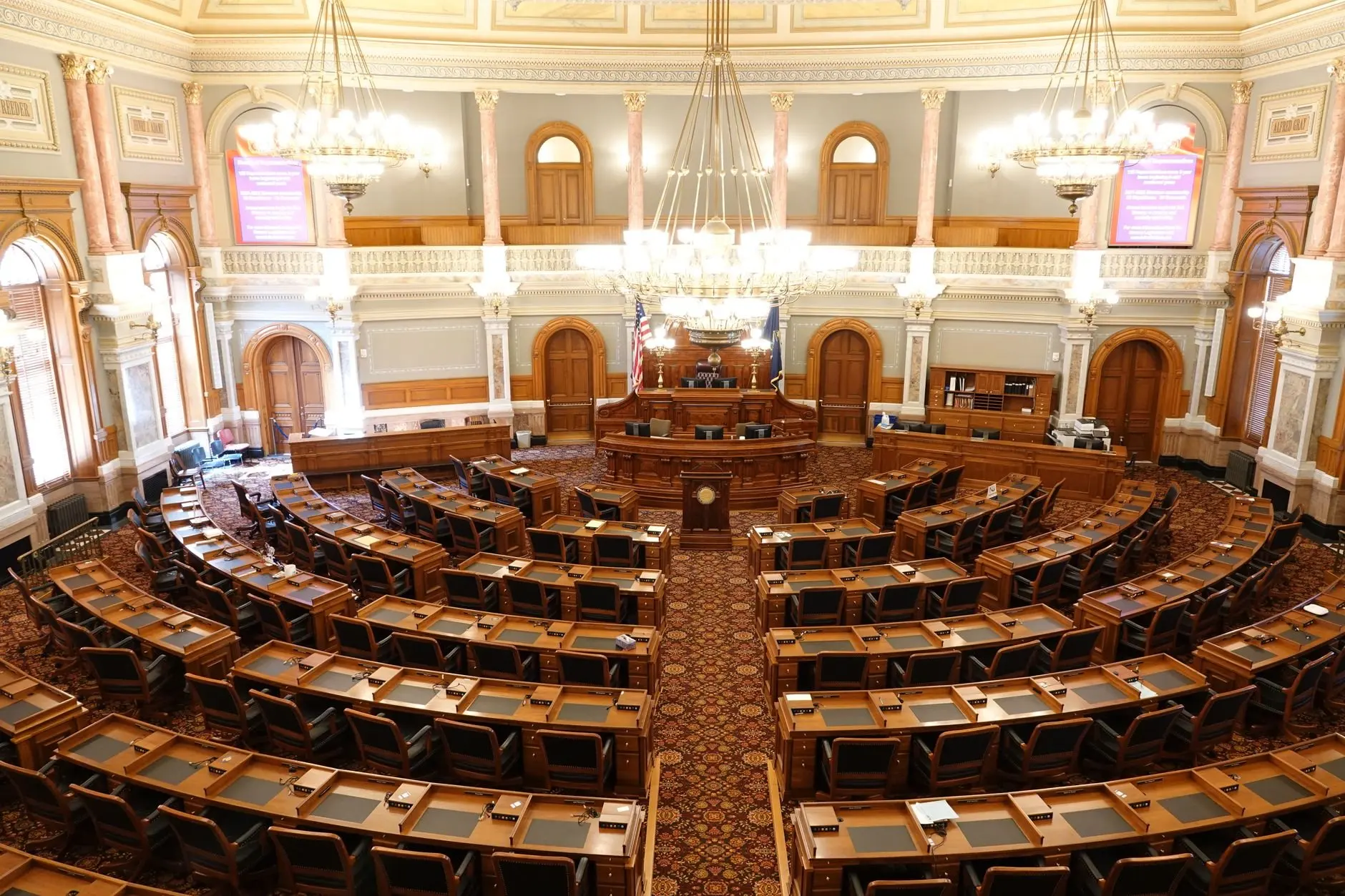
The nuclear option is the nickname given to a strategy for getting rid of the filibuster, according to the Cal Poly interview. In the mechanism it describes, a point of order is raised and the presiding chair, sitting at the front of the chamber, rules on it. The approach changes how the rules operate without amending the written threshold through the ordinary cloture route.
The Senate has used it in a limited way. A Congressional Research Service report updated in April 2017 states that cloture on nominations requires a numerical majority.
Two points help avoid confusion:
- The change was partial. The 2013 step is described as a partial use, aimed at presidential nominees. Legislation still faces the 60-vote cloture threshold.
- Precedent runs in one direction so far. Both parties have narrowed the filibuster for nominations. That pattern is a record of past decisions, not a prediction of what either party will do next.
Reform proposals and their trade-offs
Filibuster reform covers a spectrum. The Cal Poly interview notes that some Democrats were floating ideas on how to weaken the filibuster or do away with it altogether. The choice between those options turns on what each would change.
- Weakening the filibuster. This keeps a minority’s ability to delay but reduces its force. The 2013 change for presidential nominees is the closest example in the record, since it narrowed the filibuster for one category of business.
- Abolishing the filibuster. The interview explains that it would then take just a bare majority to call a decision. That removes the minority’s ability to block, which is why supporters of the status quo and supporters of change judge it so differently.
A reform route matters as much as its content. Proposals that work through the nuclear option rely on a ruling from the chair, while changes to the written threshold in Rule XXII follow the rule’s own terms. Anyone assessing a proposal should check which route it uses, because the vote needed to succeed can differ.
Other constitutional procedures follow their own rulebooks as well. See how does the electoral college work and how does impeachment work for two further examples.
Frequently asked questions
Who advises senators on filibuster procedure?
The Senate Parliamentarian. The Congressional Research Service notes that senators and staff may consult the Parliamentarian on any question about the Senate’s procedural rules, precedents and practices.
Can the presiding officer refuse to let a senator speak?
No. According to the Congressional Research Service, the presiding officer may not decline to recognize the senator seeking the floor.
How often can one senator speak on the same question?
Under Rule XIX, no senator may speak more than twice upon any one question in debate on the same legislative day, as described in the same Congressional Research Service report.