Wondering which are the largest cities in the US and how fast they’re changing? The Census Bureau’s Vintage 2025 estimates show 39 cities with 500,000 or more residents, a dozen of them at 1 million or more.
This page is part of a wider set of united states facts on the site.
| Item | Value |
|---|---|
| Cities with 500,000 or more residents | 39 nationwide |
| Cities with at least 1 million residents | A dozen |
| Fastest-growing city (20,000 or more residents) | Celina, Texas, up 24.6% |
| Biggest numeric gain | Charlotte, N.C., up 20,731 residents |
| Biggest numeric decline | New York City, down 12,196 residents |
| U.S. housing stock in 2025 | 148.3 million units |
The figures come from the Census Bureau’s May 14, 2026 press release and a reprint of that release. Estimates can be revised, so check the source before you rely on them.
What the Vintage 2025 estimates measure
The numbers on this page are the U.S. Census Bureau’s Vintage 2025 population estimates, released on May 14, 2026. They describe change between July 1, 2024, and July 1, 2025, according to the Bureau’s press release.
The headline is a slowdown. Matt Erickson, a statistician in the Bureau’s Population Division, said: “Big-city growth slowed significantly between 2024 and 2025, with some major hubs even seeing small declines.”
The excerpts behind this page do not include the full ranked list of cities. So the sections below stick to the thresholds, gains and trends the Bureau highlighted.
Which of the largest cities have crossed the million and half-million marks?
In the Vintage 2025 estimates, Austin, Texas, is one of a dozen U.S. cities with at least 1 million residents, according to a reprint of the Census Bureau release. Austin crossed that line between 2024 and 2025.
Raleigh, N.C., crossed the 500,000 mark in the same period. That brought the nationwide total of cities with 500,000 or more residents to 39, per the same release.
Why big cities slowed while midsized cities held steady
Among the largest cities, average growth rates fell by at least half in every region compared with a year earlier. That was true even in the South, where cities and towns continued to lead the nation in average growth, according to the Census Bureau.
Midsized cities stayed close to the previous year’s pattern. Erickson described a “Goldilocks zone” where domestic and international migration, paired with new housing, helped prevent the sluggish growth seen in small towns and larger metropolitan centers.
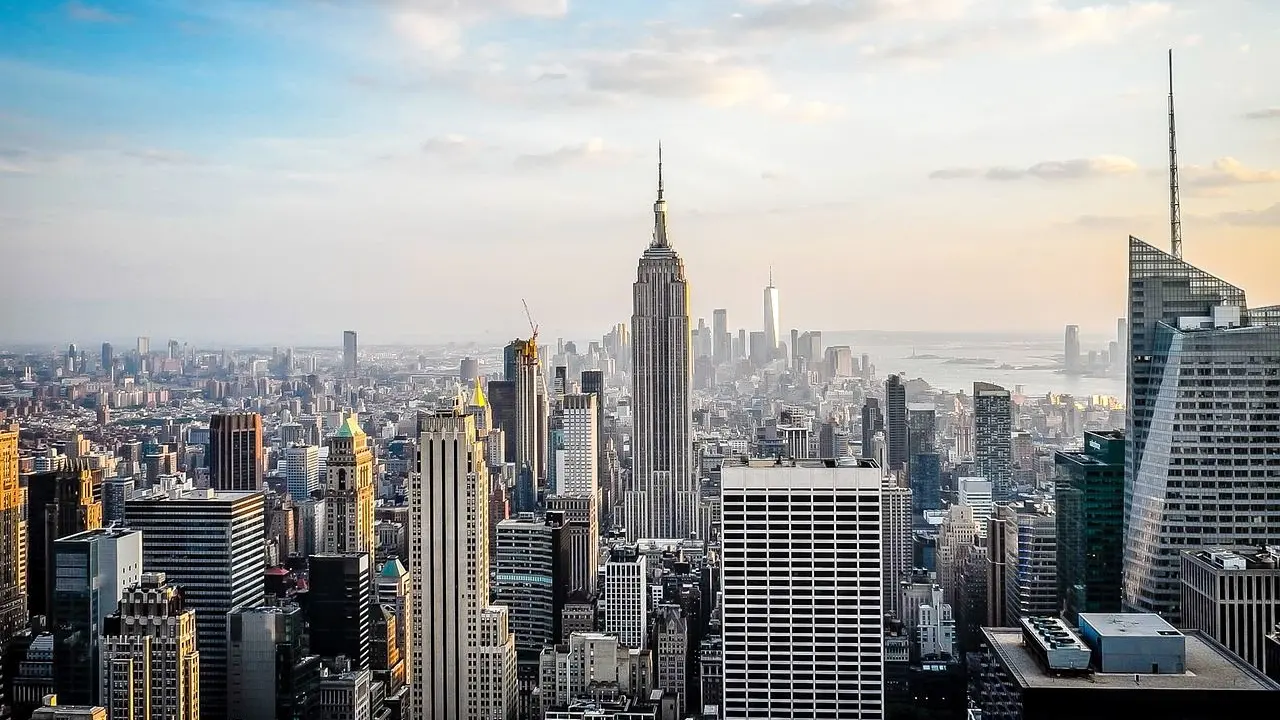
New York City shows the other side. Its population declined by 12,196 between 2024 and 2025, the greatest numeric decrease in the nation, per the Bureau’s release.
The slowdowns in the largest cities were most pronounced in the Northeast. The Bureau pointed to a drop-off in net international migration gains and to domestic migration favoring warm-weather destinations.
Meanwhile, four incorporated places in the New York metro’s outer reaches ranked among the country’s 200 fastest-growing by percentage change. Port Chester, N.Y., led them at number 80 with a 4.1% increase, and these suburbs have populations between 25,000 and 40,000.
Where the fastest growth is happening
Charlotte, N.C., the nation’s 14th largest city in the Bureau’s release, gained 20,731 residents between 2024 and 2025. That was more than any city in the country, per the press release.
By percentage, though, Charlotte was only the seventh fastest-growing city in its own metro area among cities with 20,000 or more people. The fastest was Fort Mill, S.C., about 20 miles from downtown Charlotte. It grew by 6.8% to 38,673, ranking 20th nationally.
The metro cities that outranked Charlotte were all midsized, with populations from about 25,000 to 70,000. The Bureau said similar patterns showed up throughout the country.
Texas and the South dominate the growth lists, as the reprinted release shows:
- The top five fastest-growing cities with 20,000 or more residents were all in Texas: four in the Dallas-Fort Worth-Arlington suburbs and one outside Houston.
- Celina, Texas, near Dallas, was the fastest-growing city at 24.6%. It also held that title in 2023.
- The South claims 10 of the 15 fastest-growing cities and 11 of the 12 largest numeric gains.
Housing growth compared with population growth
Population growth slowed, but housing growth did not. The nation’s housing stock reached 148.3 million units in 2025, up 1.4 million (1.0%) from 2024. Since April 1, 2020, it has grown by 7.8 million (5.5%), according to the reprinted release.
California leads the states with 15 million units, followed by Texas at 12.8 million and Florida at 10.8 million. Between July 1, 2024, and July 1, 2025, these states posted the fastest housing growth:
- Idaho: 2.1%
- Arizona: 2.0%
- South Carolina: 1.9%
The District of Columbia and New Jersey had the slowest housing growth, each at just 0.2%. The Bureau’s release ties new housing to the midsized-city growth it describes.
How to read city population figures
A few habits keep the numbers in perspective:
- Check the date. These are estimates for July 1, 2025, not a live count.
- Separate city from metro. A central city can grow slowly while smaller cities around it grow quickly, as Charlotte and Fort Mill show.
- Compare totals and percentages. Charlotte led in people added, while Celina led in percentage growth.
- Re-check the source. The Bureau issues new estimates, so earlier rankings can change.
Population is only one way to look at the country. If you are planning a trip, our guide to us national parks covers a different kind of map, and daylight saving time is another nationwide topic that touches daily life in every region.
Frequently asked questions
How many US cities have at least 1 million residents?
Show answer
Austin, Texas, is one of a dozen U.S. cities with at least 1 million residents, as of the Census Bureau’s May 14, 2026 release. Austin crossed that threshold between 2024 and 2025.
How many US cities have 500,000 or more residents?
Show answer
The total is 39 nationwide, as of the Census Bureau’s May 14, 2026 release. Raleigh, N.C., joined that group between 2024 and 2025.
Which city added the most residents?
Show answer
Charlotte, N.C., gained 20,731 residents between 2024 and 2025, more than any city in the country, according to the Census Bureau’s May 14, 2026 release.
Which city grew fastest by percentage?
Show answer
Among cities with 20,000 or more residents, Celina, Texas, near Dallas, grew fastest at 24.6%, per the same release. It was also the fastest-growing city in 2023.
Did New York City lose population?
Show answer
Yes. The Census Bureau’s May 14, 2026 release says New York City declined by 12,196 between 2024 and 2025, the greatest numeric decrease in the nation.